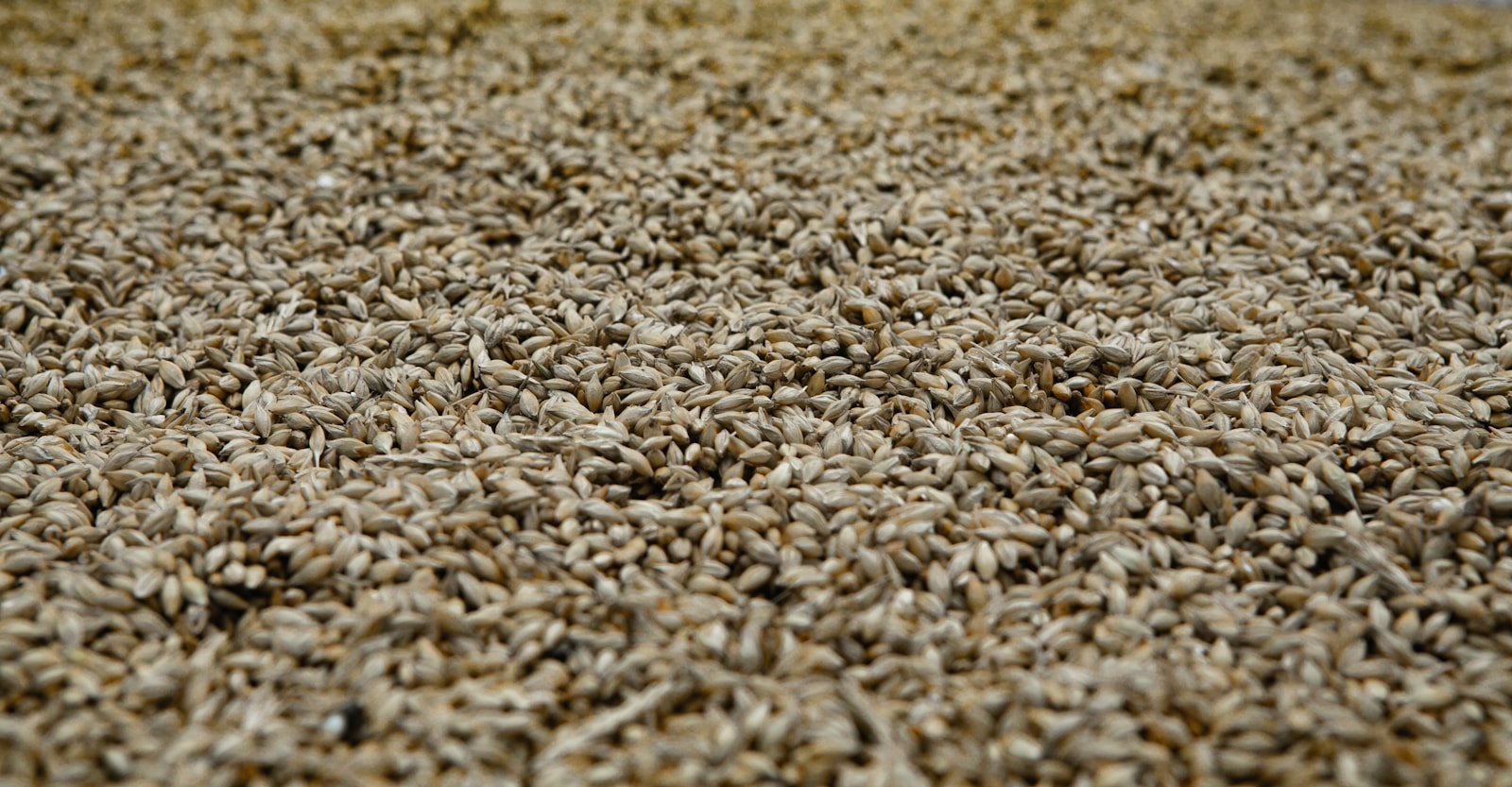
Tanzawa (丹沢) Distillery, in the mountains of Yamakita (山北) in Kanagawa (神奈川) prefecture, has begun distilling its own malt spirit, the first time it has done so since the site opened in 2024. Until now it has only bottled blended whisky built from imported Scottish malt and grain spirit. The switch to in-house distillation, reported by the Kanagawa Shimbun on August 31, 2026, is the step that could eventually let the distillery describe its whisky as Japanese. A first release of house-distilled whisky is planned for around 2029.
The distillery is run by Zeroichi Whisky (ゼロイチウイスキー), a Tokyo company spun off from a prepared-foods business. Its president, Mamoru Hashiguchi (橋口守), 45, began scouting for a site in 2018 and opened the distillery in 2024 near Hoki-sugi (箒杉), a cedar said to be 2,000 years old, upstream of Lake Tanzawa. Water is drawn from 34 meters underground. “I looked at all sorts of places searching for water, and the water here was extraordinarily clean,” Hashiguchi told the paper. “I fell for it at first sight.”
The current bottles are blends of Scottish malt and grain whisky, finished with a charcoal-filtration method the distillery worked out itself. Hashiguchi says he tried filtering the spirit through stone, treating it with ultrasound and freezing it before settling on Kishu binchotan (紀州備長炭), a dense Japanese charcoal, to soften what he calls the harshness of the alcohol. Two versions, one bourbon-cask and one sherry-cask, are sold at 46% ABV and 700ml for 5,500 yen (about $37 / £28). Annual output is roughly 40,000 bottles. The house style is deliberately quiet: Hashiguchi wants a whisky to drink alongside food rather than after it.
The company’s earlier business points to why the change matters. Before building in Yamakita, it exported a contract-made private-label whisky called Shingen (信玄), produced in Yamanashi, at about 28,000 bottles a year, mostly to China. Japanese whisky exports to China have fallen year on year recently, and China is building its own distilleries quickly. Several small Japanese producers are now moving away from contract exports toward their own domestic brands, and Tanzawa is a clear case. It is one of dozens of small sites that have appeared on the Japanese whisky distilleries list in the past decade.
What it means outside Japan
For readers abroad, the significance is on the label. Under the industry standard that took effect in 2021, whisky blended from imported spirit and only bottled in Japan cannot be sold as Japanese whisky; such products are usually called world blended whisky or similar. Tanzawa’s current releases sit in that category. Distilling malt spirit on site in Kanagawa is what would let a future bottling carry the Japanese whisky description, as long as it is also matured and bottled in Japan. That whisky is still about three years away, Tanzawa is hard to find outside Japan today, and the distillery does not take unbooked visitors.
Source: Kanagawa Shimbun (Kanaloco) (Japanese)