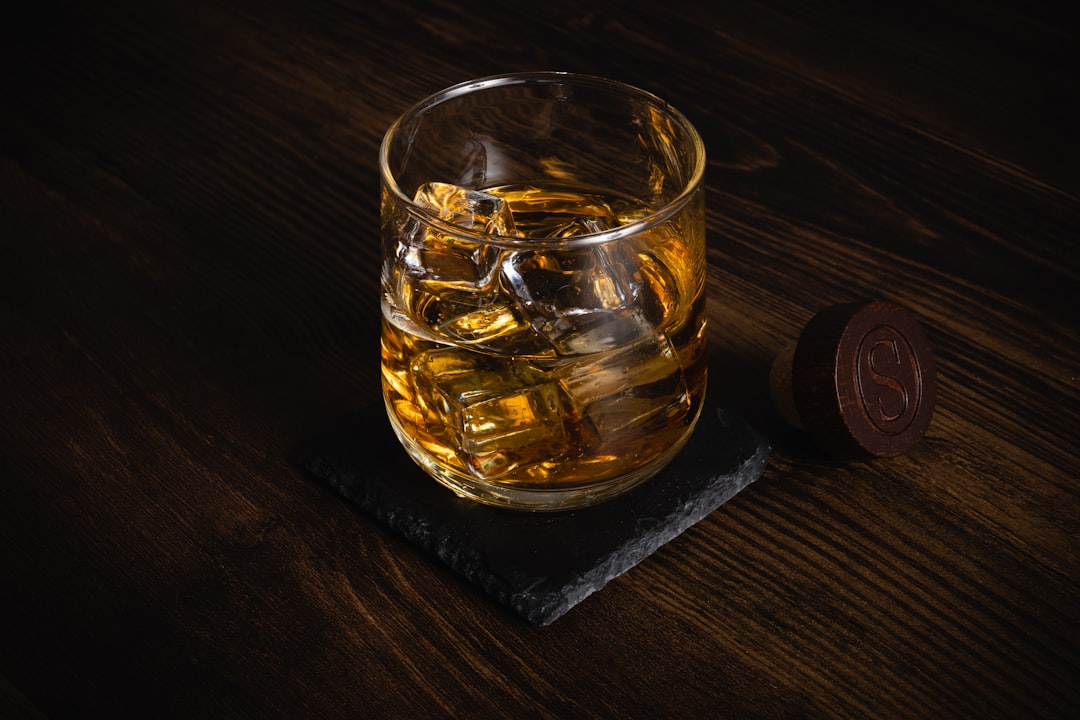
Hinokami Distillery (火の神蒸溜所), the whisky-making arm of shochu producer Satsuma Shuzo (薩摩酒造) in Kagoshima Prefecture, has released HINOKAMI NEW BORN #3, its smokiest bottling yet and the final entry in a preview series it has run since starting whisky production. The 200ml bottle goes on sale nationwide on October 2, 2026, at 3,850 yen, limited to 3,000 bottles.
Satsuma Shuzo is best known for the shochu brands Satsuma Shiranami and Kamino Kawa, the latter aged in white oak barrels since 1988 by an in-house cooperage, one of only around 60 barrel-making operations left in Japan. The company obtained a whisky manufacturing license in December 2022, began malt whisky production at Hinokami in February 2023, and added a continuous still for grain whisky by November of the same year. It is part of the Honbo Group and drew on technical support from sister distilleries Mars Komagatake, Tsunuki and Yamaga to get started. Hinokami sits in Makurazaki, at the southern tip of Kyushu, making it mainland Japan’s southernmost whisky distillery.
The “New Born” series has tracked the distillery’s new-make spirit as it develops toward an eventual single malt release, expected in 2027 or later. Where #1 and #2 kept smoke in the background, #3 pushes the phenol level to 20ppm, the highest in the series, using bourbon-cask-matured malt bottled at 50% ABV. Chief blender Minori Momota built the release around the smoke of Makurazaki’s dried-bonito (katsuobushi) curing houses, a local industry as old as the town itself, aiming for what the distillery calls a balance of “smoky and elegant.” Tasting notes describe toasted marshmallow and lily on the nose, tropical fruit and buttery grain on the palate, and a long, smoky finish likened to the embers of a summer festival.
What this means outside Japan
New-make previews like this rarely leave Japan, but they matter to overseas drinkers for the same reason early single-cask samples from Chichibu or Kavalan once did: they are the clearest signal of what a young distillery’s eventual core range will taste like. Hinokami’s decision to lean into local katsuobushi-smoke character, rather than importing a generic Islay-style profile, gives it a terroir story that international buyers increasingly look for in new Japanese whisky. With Satsuma Shuzo’s shochu already exported and its cooperage skills feeding directly into cask management, Hinokami’s single malt debut is one to watch once it reaches export markets in a few years.
Source: Japanese Whisky Dictionary (Japanese)