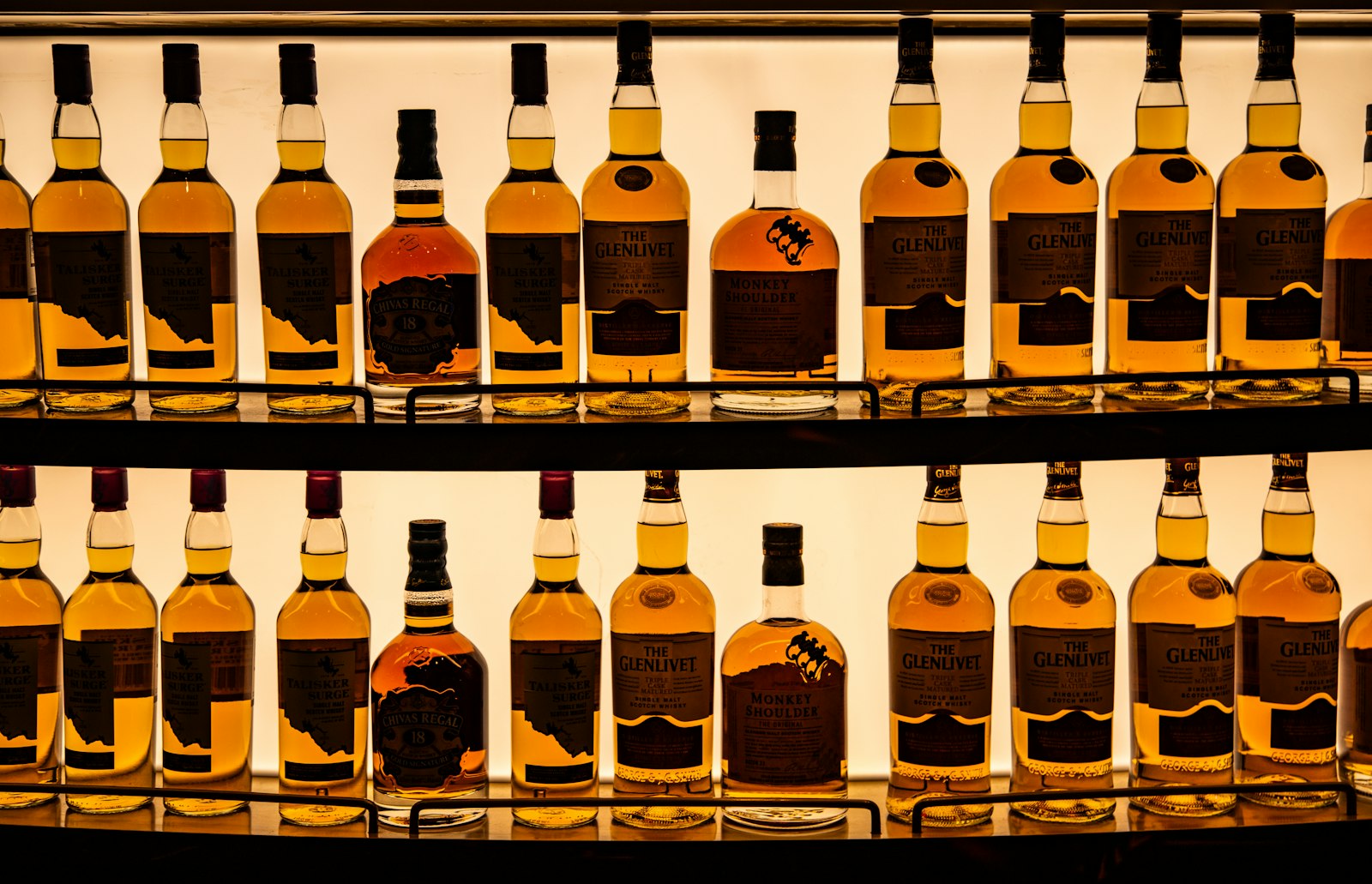
Japan Spirits Festival 2026 (日本の蒸留酒祭), a two-day tasting event now in its fourth year, runs September 26 and 27 at the Otemachi Gate Building in central Tokyo, three minutes from Otemachi Station. Admission is free, with National Tax Agency backing, and organizers have confirmed more than 30 producers from Hokkaido to Okinawa, most of them shochu, gin and rum makers, but with a handful of whisky pours worth planning a visit around.
The headline pour: an ISC Supreme Champion
The festival’s “World SPIRITS Awards 2025 WINNERS” booth centers on Yamazaki (山崎) 18 Year, which took the Supreme Champion Spirit award, the top prize across every category, at the 2025 International Spirits Challenge. The same booth pours Ichiro’s Malt & Grain Blended Japanese Whisky 2025 and Kanosuke’s Hioki Pot Still 2024 Limited Edition, alongside Kubota Gin. A separate rice-whisky booth adds Yagou Distillery’s Hinomaru KOME and Hakkaisan’s Uonuma 8 Year, two bottlings made from rice rather than the barley or corn base most whisky drinkers expect.
Craft distilleries pouring across the two days
Beyond the awards booths, Wakatsuru Shuzo’s Saburomaru distillery pours its Single Malt VIII and Blended SAB on September 26, alongside a smoky highball made at the distillery. Nikko Kaido Koyama Distillery (日光街道小山蒸溦所) brings its Tetsu Refine [Ren] single grain whisky, and Toyama’s Ikawa Distillery pours two entries from its Dessin single malt series. September 27 adds Komaki Distillery’s peated new-make spirit. Entry works on a coin system: tokens cost 250 yen each at the venue, with most pours requiring two, and advance ticket bundles that include a festival glass start at 2,500 yen. A trade-only tasting window, open to bar owners, retailers and exporters, runs from noon to 2 p.m. both days.
Why this one is worth the trip
Most of what pours at Otemachi will never be exported: small shochu, gin and rum producers rarely seen outside their home prefectures fill most of the 30-plus booths. But the whisky selections are a genuine shortcut past Japan’s allocation problem. Yamazaki 18 sells out fast and trades well above retail overseas, and Kanosuke’s Hioki limited edition and the rice-whisky bottlings are not distributed abroad at all. For a traveler already in Tokyo that weekend, the price of entry is a handful of 250-yen tokens rather than the triple-digit ticket most whisky festivals charge, though the festival’s own site and ticketing are Japanese-language only.
Why this matters
Putting Yamazaki 18 in the same room as 30-odd small shochu, gin and rum makers is not an accident of programming. The National Tax Agency, which backs the festival, oversees Japan’s alcohol industry as its regulator and has spent recent years running export-promotion programs aimed at building overseas demand for Japanese spirits before producers try to scale international sales, including matching smaller makers with export trading houses through its own consortium work. A free, low-friction tasting event in central Tokyo that puts a world-beating headline whisky alongside unknown craft producers functions as a domestic proving ground and talent pipeline for that larger export push, not just a weekend out for enthusiast drinkers.
Yamazaki 18’s presence also marks an unusual streak: Suntory’s Yamazaki line has now won Supreme Champion Spirit at the International Spirits Challenge three years running, the Yamazaki 25 in 2023, the Yamazaki 12 in 2024, and the Yamazaki 18 in 2025, with Suntory also named ISC Japanese Whisky Producer of the Year for a sixth consecutive year. That is Suntory demonstrating that its blending program delivers at every age statement, not just in a single trophy bottling, which is part of why Yamazaki’s allocation problem abroad has only gotten worse even as the brand keeps winning. A three-peat at this level, across three different age statements, is also a useful reminder that Japanese whisky’s international reputation now rests on a small number of very large, well-resourced producers rather than the wider craft scene most of this festival actually represents.
For readers outside Japan
Not everything pouring at Otemachi is equally out of reach. Yamazaki 18 and Ichiro’s Malt & Grain Blended Japanese Whisky are both sold through established international distribution, so readers outside Japan can buy versions of those two, allocation and price permitting, through normal retail channels; see our Yamazaki distillery guide and review of Ichiro’s Malt and Grain. Everything else highlighted here, Kanosuke’s Hioki Pot Still limited edition, the Hinomaru KOME and Uonuma rice whiskies, and the small-batch pours from Saburomaru, Nikko Kaido Koyama and Ikawa, has no confirmed export plan and is realistically only tasted in Japan.
The festival itself is not set up for overseas visitors either: the event site, ticketing and the coin system used to pay for pours are Japanese-language only, with no English booking path confirmed. A visitor who happens to be in Tokyo that weekend can still walk in and buy tokens at the door, but anyone planning a trip specifically around it should budget time to navigate a Japanese-only site, or consider visiting the actual Yamazaki distillery instead, which runs English-friendly tours year-round.
Source: PR TIMES (Japanese)
Primary source: National Tax Agency, export support initiatives for Japanese alcoholic beverages (Japanese).