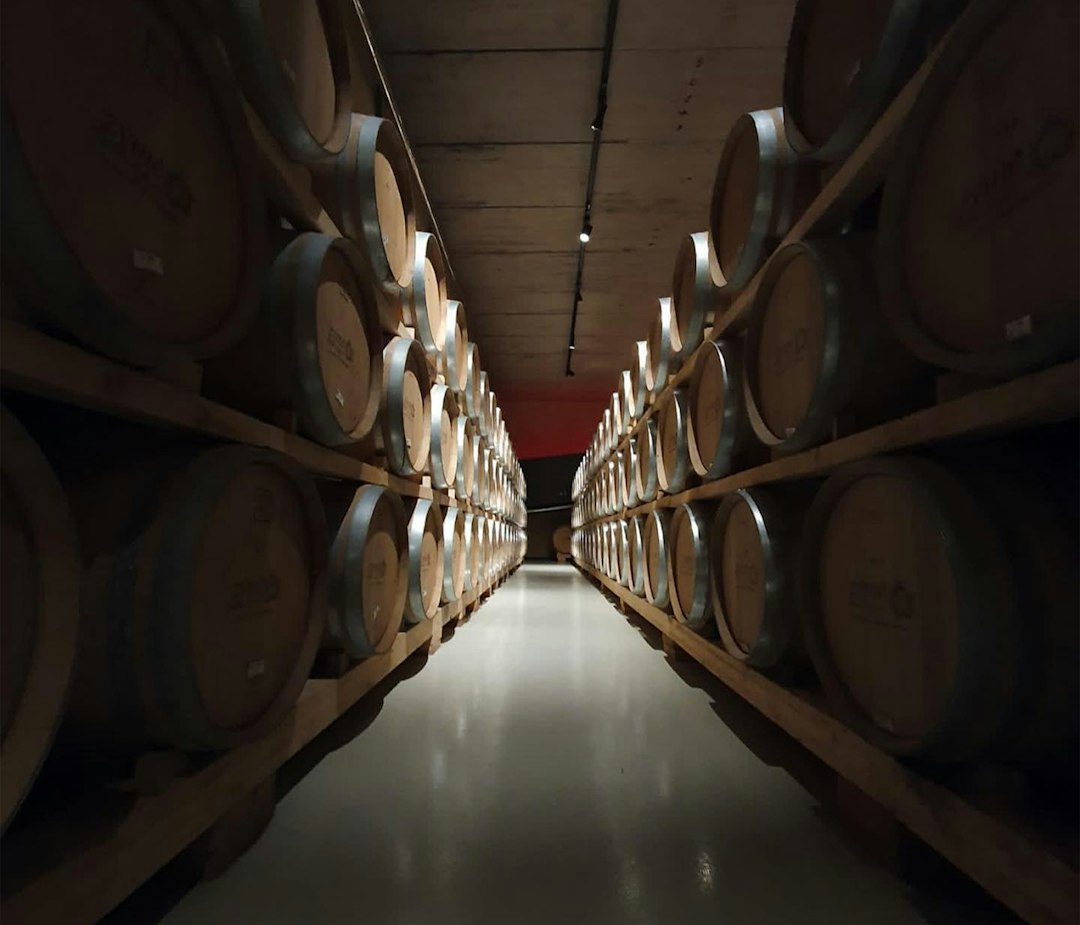
Saburomaru distillery (三郎丸蒸留所) in Tonami (砺波), Toyama Prefecture, welcomed about 45,000 visitors in its latest business year, the highest figure since it reopened to the public in 2017. The number, reported by the Toyama Shimbun on October 15, 2026, covers October 2025 to September 2026. Visitor numbers have risen roughly 3.6 times in five years, from 12,500 in the 2021 business year, and the distillery’s owner, Wakatsuru Shuzo (若鶴酒造), says sales also hit a record. For a small craft distillery in rural Toyama, it is a clear sign that whisky tourism in Japan now reaches well beyond the big names.
According to the report, the growth did not come from volume alone. Wakatsuru has added hands-on spaces where visitors can blend their own whisky from different spirit components, and a “hand-fill” experience in which guests draw whisky straight from a cask and bottle it to take home. With those additions, the company has raised its tour prices. A one-hour guided tour now costs 5,000 yen, and a tour that includes the hand-fill experience costs 30,000 yen. A company representative told the paper the key was attracting a core audience of enthusiasts and raising spend per visitor.
Saburomaru is also preparing for more. From October, the distillery has increased its scheduled tours from two to three, and the company says it will start actively selling to inbound tour groups from overseas.
How a near-forgotten distillery became a destination
The visitor figures are striking because of where Saburomaru started. Wakatsuru, a sake brewer, began researching distilled spirits in 1947 and released its first whisky, Sunshine Whisky, in 1953. For decades the whisky operation was a local sideline that shrank along with Japan’s domestic whisky market. In 2016, the current leadership returned to Toyama and launched a crowdfunding campaign to renovate the aging site, as our Saburomaru distillery guide explains. The rebuilt distillery opened to visitors in 2017.
Since then Saburomaru has built a reputation on ideas no one else had. In 2019 it developed ZEMON, which the company describes as the world’s first cast pot still, made with a temple bell foundry in Takaoka (高岡), a city known for bronze casting. It also makes casks from Toyama-grown mizunara oak with local woodworkers, and since 2021 has run a bottling business called T&T TOYAMA that releases whisky from other Japanese distilleries. Its house style is heavily peated, under the motto “The Ultimate Peat.” That focus has brought international recognition, including top gold medals at the Asia World Spirits Awards, and it gives visitors something specific to come and see.
Why this matters
Most of Japan’s new whisky distilleries cannot yet sell much aged whisky. A young distillery may have only a few years of stock, and limited releases sell out quickly. Visitor spending is one of the few ways to earn steady income while the whisky matures. Saburomaru’s numbers show that this model can work at scale, and that the real lever is not the entry ticket but what visitors do once they arrive. A 30,000-yen hand-fill tour sells an experience and a bottle that cannot be bought anywhere else.
The competition for those visitors is growing fast. Wakatsuru itself notes on its website that when it began rebuilding Saburomaru in 2016, Japan had only nine malt whisky distilleries, including the large producers. By 2022 the count was around 70, including projects still in planning, and our full list of Japanese distilleries keeps getting longer. With that many sites competing for attention, a distillery needs a clear identity to pull visitors to a regional town. Saburomaru’s mix of peat, unusual equipment and hands-on experiences is one answer to that problem.
It also fits a wider pattern. Other regions are organizing around visitors too: Kagoshima’s distilleries have launched a joint whisky trail, and Shizuoka distillery now offers a 10-language audio guide. Saburomaru’s decision to court overseas tour groups openly is the next step. It treats foreign visitors as a core market rather than an occasional extra.
There is a trade-off for whisky lovers. Higher prices and more structured tours mean the casual, free walk-in visit is becoming rarer at popular craft distilleries. At the large houses, the same shift has already happened. Our guide to visiting Yamazaki distillery shows how hard tour slots there can be to get.
For readers outside Japan
Saburomaru is one of the more practical craft distilleries to visit. Tonami is in western Toyama, and Toyama is linked to Tokyo by the Hokuriku Shinkansen, so a visit can be combined with Kanazawa or the Takaoka bronze workshops. A few practical points:
- Book ahead. Even with a third tour added, capacity is limited, and inbound group bookings may take more of it. Check the official Wakatsuru Shuzo website for current tour times and the booking process before you travel.
- Budget for the experience you want. The guided tour is 5,000 yen. The hand-fill tour, at 30,000 yen, includes a bottle you fill yourself from a cask.
- Look for distillery-only bottles. Saburomaru sells some releases only at the distillery. Its 2026 holiday collection, by contrast, is due to reach overseas buyers in stages.
If you cannot travel, Saburomaru single malts have been sold through specialist retailers abroad. See our guides to buying Japanese whisky in the US and the UK.
Source: Toyama Shimbun (Japanese), Wakatsuru Shuzo (Japanese)