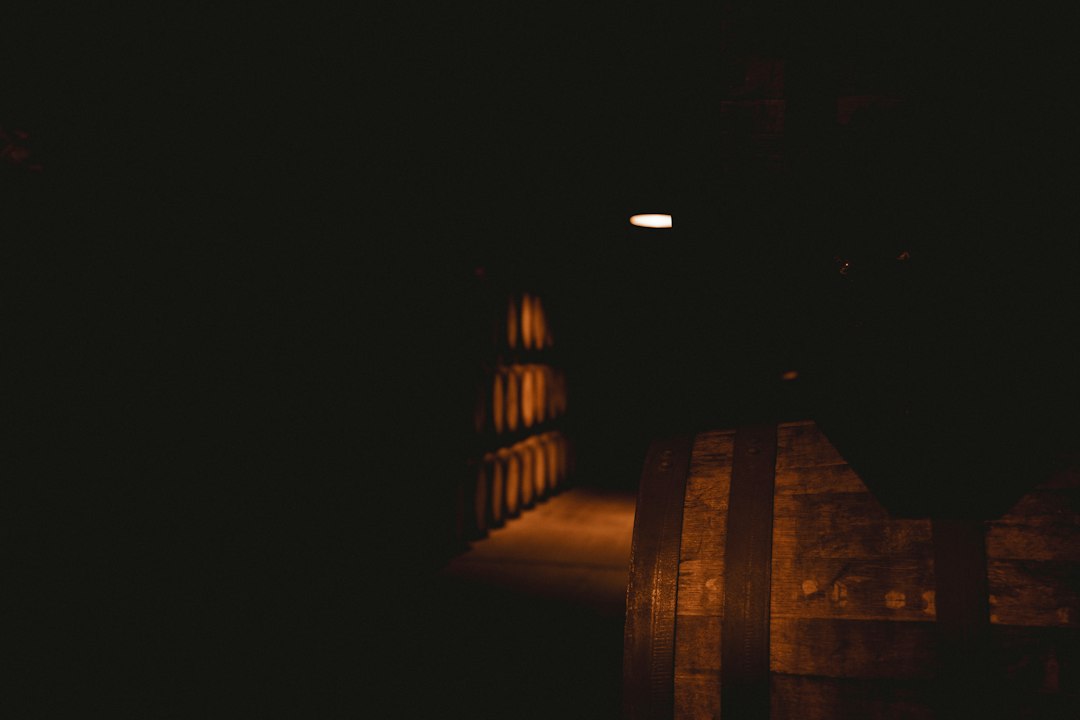
Two of Kagoshima’s (鹿児島) best-known whisky makers have released the results of a six-year experiment. In spring 2020, Mars Tsunuki Distillery (マルス津貫蒸溜所), run by Hombo Shuzo (本坊酒造), and Kanosuke Distillery (嘉之助蒸溜所), run by Komasa Kanosuke Distillery Co. (小正嘉之助蒸溜所), swapped new make spirit and matured each other’s spirit in their own warehouses. Both companies announced the finished whiskies on October 29, 2026: Kanosuke Collaboration Series 02 KANOSUKE × TSUNUKI, and Mars Whisky Malt Duo Tsunuki × KANOSUKE. Both are blended malt Japanese whisky, and both reach Japanese shops in late November. The pair matters because it puts the same two spirits, aged in two different places, side by side on the shelf. That is a rare chance to see how much a warehouse shapes a whisky.
Kanosuke’s bottling is bottled at 57% ABV in a 700ml bottle, with a suggested retail price of ¥16,500 including tax. Kanosuke says it goes on sale on November 20. The distillery has not published a bottle count. At Kanosuke, the Tsunuki new make was filled into bourbon barrels and into recharred casks that had held shochu (焼酎), the Kagoshima spirit Komasa has made for generations. The key malt in the blend is Kanosuke’s own spirit aged in non-recharred casks that had held barley shochu, an approach the distillery uses to bring shochu-making know-how into whisky. Blender Naoko Serikawa (芹川直子) also added bourbon-cask Kanosuke of several ages and a double-cask component: spirit aged in recharred shochu casks and then finished in red wine casks. The distillery’s own tasting note lists dried apricot, pear and custard on the nose and a long finish that turns bitter.
The Mars bottling is bottled at 51% ABV in a 700ml bottle, limited to 7,900 bottles, at ¥14,300 including tax. Hombo’s own release gives the date as late November, while Kanosuke’s announcement says both bottles launch together on November 20. It vats Kanosuke malt that matured at Tsunuki with Tsunuki’s own malt. Tatsuro Kusano (草野辰朗), Tsunuki’s chief distilling manager and blender, describes raspberry and plum notes, herbal freshness and a soft grain sweetness on the finish. It is the third Malt Duo release, after Komagatake × Chichibu in 2021 and Tsunuki × Akkeshi in 2024. Kanosuke’s series began with a swap with Saburomaru (三郎丸) in Toyama.
Kanosuke is selling its bottling first through a lottery on its official online shop. Entries run from October 29 to November 4. Winners are announced on November 7 and must buy between November 7 and 13, with delivery expected in late November. The distillery says specialty retailers across Japan will also stock it, along with a limited allocation at the distillery shop. Hombo has not published sales details for the Mars bottling beyond the release window.
Neither announcement mentions export. That matters because both distilleries already sell abroad: Kanosuke’s core single malts and Mars bottlings such as Iwai and Komagatake are regular imports in Europe, North America and parts of Asia. Limited Japan-only releases like these sometimes surface later with overseas specialists, usually in small quantities and at a premium. Readers should plan on that pattern, not on an official launch abroad.
Why this matters
Cask swaps between Japanese distilleries have moved from novelty to habit. The industry’s labeling standard does not let a producer call a whisky “Japanese whisky” if it contains imported Scotch or Canadian spirit, so the only way to add outside character to a vatting is to trade with another Japanese distillery. Hombo has run its Malt Duo swaps since 2021, and pairs such as Niigata Kameda and Shindo have run similar exchanges. This is also why the label reads “blended malt” rather than “single malt”: the whisky contains malt from two distilleries. Our explainer on the Japanese whisky definition covers what the industry standard allows.
What is new here is the climate test. Kanosuke sits on Fukiage Beach (吹上浜) on the East China Sea coast, where Komasa says sea air and big temperature swings speed up maturation. Tsunuki, where Hombo was founded more than a century ago, sits in an inland basin in the hills of the Satsuma Peninsula (薩摩半島), with hot summers and, for southern Kyushu, cold winters. Both sites are in western Kagoshima, yet one is coastal and one is a basin, and each has now aged the other’s spirit for six years. Both distillers say the differences only became clear as the spirit aged.
The release also shows how Kagoshima’s producers have chosen to compete together rather than alone. Both families came to whisky from shochu: Kanosuke’s founder Yoshitsugu Komasa (小正芳嗣) is the fourth generation of the Komasa shochu house. In 1957 his grandfather, Kanosuke Komasa, released Mellow Kozuru (メローコヅル), which the company describes as Japan’s first cask-stored rice shochu. The Kagoshima whisky trail launched this year tied six distilleries together for visitors. Kanosuke’s theme for this bottling, “Leading the Way in Kagoshima Craft,” says the same thing in marketing language: the prefecture wants to be known for whisky, not only for shochu. For background, read our guides to Kanosuke distillery and Tsunuki distillery, and our profile of Hombo Shuzo and Mars whisky.
For readers outside Japan
The practical route to either bottle is through Japan. The Kanosuke lottery runs through a Japanese online shop, and Japanese spirits retailers generally ship only to domestic addresses, so overseas buyers should not count on it. Specialty retailers in Tokyo, Osaka and Kagoshima are the more realistic target for visitors in December. Our guide to where to buy Japanese whisky in Tokyo lists shops that typically stock craft releases. Kagoshima city and the distillery shops at Kanosuke in Hioki (日置) and Tsunuki in Minamisatsuma (南さつま) are also options for travelers heading south.
If you want to bring bottles home, check your country’s import rules first. Our guide to importing whisky from Japan explains duty-free limits and why most Japanese retailers cannot ship spirits abroad. If a bottle reaches a Western retailer later, expect a markup over the ¥14,300 and ¥16,500 Japanese prices.
If you cannot get either bottle, the two distilleries’ regular single malts make a cheaper way to compare the sites. Kanosuke’s core single malts are imported into several markets, and the earlier Kanosuke Mellow Blend shows the house style at a lower price. On the Mars side, see our guide to Mars Shinshu to compare the Nagano distillery with its Kagoshima sibling. Our US and UK buying guides list retailers that carry both brands.
Sources: Komasa Kanosuke Distillery via Kyodo News PR Wire (Japanese); Hombo Shuzo via PR TIMES (Japanese)