Maoi Distillery (馬追蒸溜所), a small producer in Naganuma (長沼), Hokkaido, will release its first official single malt whiskies on December 1, 2026. The two bottlings, both three-year-old single malt Japanese whisky under the distillery’s Metamorphosis (メタモルフォシス) label, use different barley and different casks: Audax is made from 100% Hokkaido malt and matured in sherry casks, while Bishop uses 100% British malt and bourbon barrels. Operator MAOI Co. announced the release in a press release on October 26, with shipping to stores set to begin from mid-November. The launch matters beyond Hokkaido because it puts a direct comparison of local and imported barley on the shelf from the same stills, a question many young Japanese distilleries are asking but few have answered in a bottle.
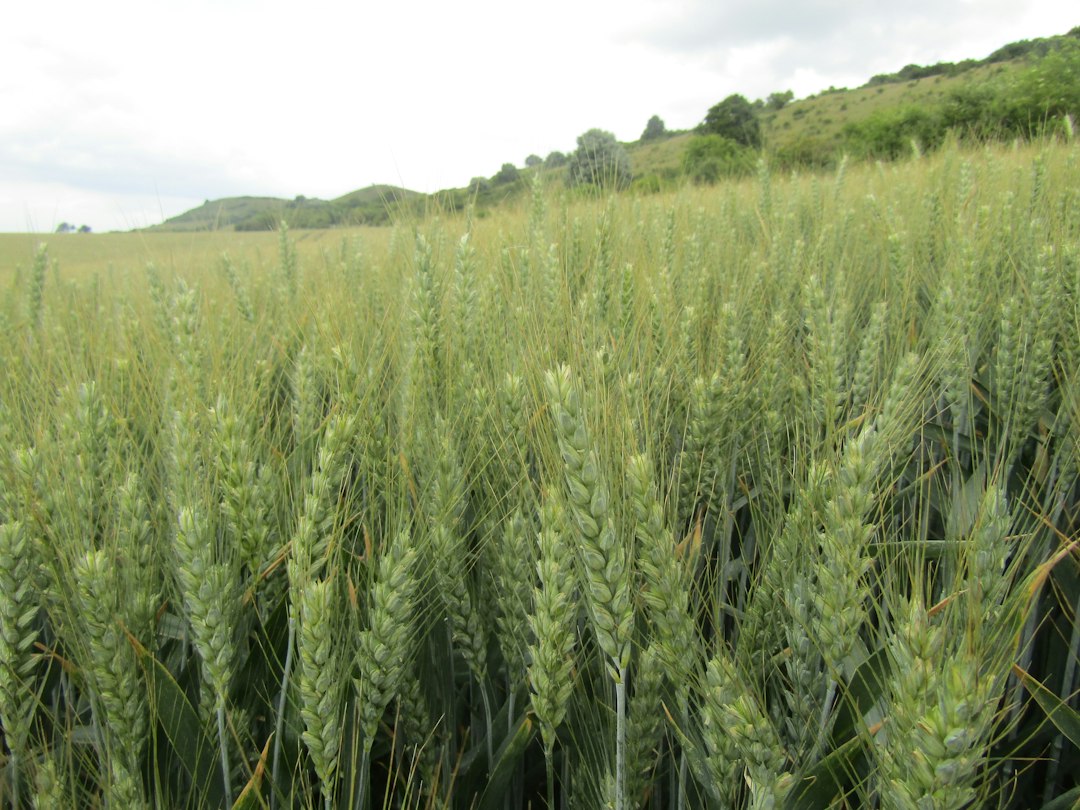
Audax uses non-peated malt grown in Nakashibetsu (中標津), in eastern Hokkaido. The spirit matured for three years or more in 225-liter oloroso sherry hogsheads, and part of it was moved late in maturation into small quarter casks that had held oloroso or Pedro Ximénez sherry. The distillery says the vatting combines spirit aged between three years and six months and three years and nine months. It is bottled at 50% ABV in 500ml bottles, limited to 1,000 bottles, with a suggested retail price of ¥15,840 including tax.
Bishop is made from non-peated malt produced in the UK. It matured in 200-liter American standard barrels that had held bourbon, with part of it moved to bourbon quarter casks late in maturation, and the spirit in the vatting is three years and 10 months old. It is also 50% ABV in 500ml, limited to 1,300 bottles, at ¥11,990. Both whiskies are bottled without chill filtration, according to the distillery.
The release also leans on the distillery’s warehouses. Maoi uses three maturation spaces with different conditions: a “shelter,” an underground space left from the site’s winery days with stable temperature and high humidity; a “cellar” on the ground floor of the distillery, where temperature and humidity swing with the seasons; and a “terrace” on the second floor, exposed to sunlight and larger day-night temperature changes. Casks from all three were blended for each bottling. The Japanese whisky site JP Whisky Dictionary (ジャパニーズウイスキーディクショナリー) reports that the underground space was built as a nuclear shelter by the winery’s previous owner and holds about 300 casks on racks.
Both whiskies go on general sale on December 1 through liquor stores and online retailers in Japan, the distillery’s own online shop and its shop on site. Members of the distillery’s fan clubs could preorder from October 26, with 200 bottles of each whisky set aside for them; this year’s membership is already full. The press release says nothing about export. That makes this a Japan-only release for now, though Hokkaido whisky has a strong following abroad thanks to Yoichi and Akkeshi, which both reached overseas markets through importers.
Why this matters
Most Japanese whisky, including much of the best known, is made from imported malt, usually from the UK, and the industry’s Japanese whisky standard allows that as long as fermentation, distillation and aging happen in Japan. Domestic barley is scarce and costly, as our explainer on why so little Japanese whisky uses Japanese barley sets out. Bishop and Audax are therefore both Japanese whisky under the same rules. What makes the pair useful is that the distillery has put the two barley sources side by side in its very first release rather than blending them away.
The comparison is not a clean experiment, and the distillery does not claim it is. The two whiskies differ in cask type, cask size and age as well as barley, so any difference in the glass cannot be pinned on the grain alone. Even so, it signals where Maoi wants to go. A Hokkaido-grown malt in the more expensive bottle suggests the distillery sees local barley as the premium side of its range, a path also taken by producers such as Akkeshi, which has worked toward using Hokkaido-grown ingredients.
The release also shows how small Japanese craft distilleries are working around limited stock. Maoi began distilling in 2022 after renaming itself from Maoi Jiyu no Oka Winery (マオイ自由の丘ワイナリー), and JP Whisky Dictionary reports that it uses a single hybrid still from Forsyths of Scotland for whisky, brandy and fruit brandy. With only a few years of spirit to work with, quarter casks and varied warehouse conditions are tools to build complexity in a young whisky. Our guide to Japanese whisky cask types explains why small casks speed up maturation and what that trades away.
Related guides
For readers outside Japan
There is no announced export route, so the realistic options are buying in Japan or waiting to see whether an importer picks the whisky up. Japanese retailers generally cannot ship spirits abroad, and some countries, including the US, restrict personal imports; our guide to importing whisky from Japan explains which routes work. At 1,000 and 1,300 bottles, with 200 of each already reserved for club members, the general allocation will be small.
If you are visiting Hokkaido, the distillery is in Naganuma, southeast of Sapporo, and JP Whisky Dictionary reports that it offers reservation-only tours on weekends and holidays. It can be paired with a trip to the island’s other producers; see our list of Japanese whisky distilleries for Hokkaido options, and our report on Cedarfield’s new Hokkaido distillery. Check opening days before you go.
If you want to taste the domestic-versus-imported barley question at home, our barley explainer lists distilleries that grow grain in Japan, and our report on Kobe Distillery’s first single malt covers another new producer that announced its debut this week. We will report in the news section if Maoi names an overseas importer.
Source: JP Whisky Dictionary (Japanese)