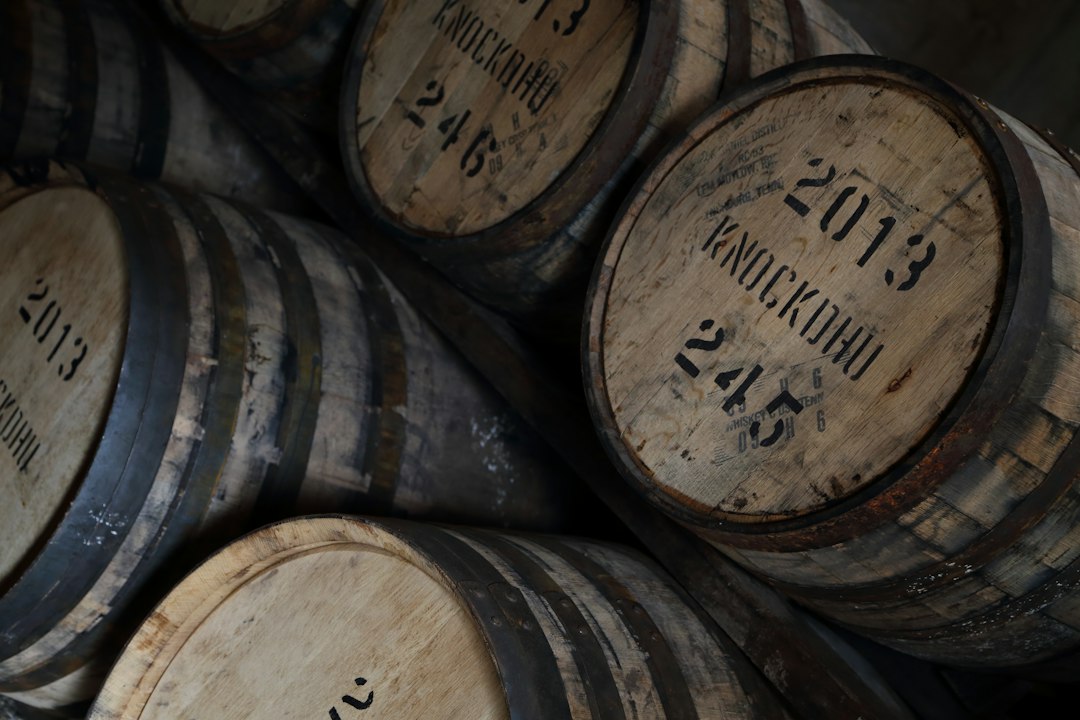
Matsui Shuzo (松井酒造), the Tottori-based spirits producer behind the Kurayoshi, Tottori and Matsui whisky brands, marked the start of construction on a major new distillery in Yurihama (湯梨浜), a town on Japan’s San’in coast, on September 16, 2026. About 20 people attended a jichinsai (地鎮祭), the Shinto ground-blessing ceremony that traditionally opens a building project in Japan, at the site of the former Togo Junior High School. Distillation is due to start from April 2027, and Nihonkai TV, the local broadcaster that covered the ceremony, describes the site as one of the largest whisky distillery footprints in the country.
The new facility sits on roughly 27,000 square meters (about 6.7 acres), with total construction and equipment costs put at approximately 400 million yen (roughly $2.7 million at current exchange rates). Completion of the first building is expected around April. It will house six stills along with mashing and warehousing equipment, covering everything from grain intake through distillation. Matsui Shuzo has also confirmed plans for a second building from fiscal 2027, which would bring the site’s total still count to 20, a sharp expansion from its existing Kurayoshi Distillery.
Matsui Yusaku (松井優作), head of the company’s domestic sales division, framed the project around export growth as much as capacity. “We built this factory because we want to expand Japanese whisky not just domestically but overseas,” he said at the ceremony, adding that the company hopes visitors will eventually be able to tour the site, with a longer-term goal of turning it into a michi-no-eki (道の駅) style stop. Michi-no-eki are Japan’s government-registered roadside stations, part rest area and part local produce market, and they draw heavy domestic tourist traffic in rural prefectures such as Tottori.
Matsui Shuzo opened the San’in region’s first whisky distillery, Kurayoshi, in 2018. According to the broadcaster, the company now runs five production sites within Tottori Prefecture, is targeting annual output of one million bottles, and plans to develop the Yurihama site into a combined drinks hub that could eventually include a sake brewery alongside whisky. That fits a pattern of rapid diversification: in December 2025 the company opened a new beer plant in the Ketaka district of Tottori City, which it says runs a fully automated line capable of filling 20,000 cans an hour.
The export angle is not new. In its own press materials, Matsui Shuzo says its Matsui Whisky brand, sold under place names such as Kurayoshi, Tottori and San’in, is distributed in more than 50 countries. Its most recent product push, a 32-bottle range of 50ml miniatures launched in April 2026, runs from a Kurayoshi 18 Year Old down to fruit liqueurs, and is aimed at drinkers who want to try expensive bottles in small amounts before committing to a full one.
Why this matters
Matsui Shuzo’s Kurayoshi, Tottori and Matsui-branded bottles already circulate in export markets, and the company’s early labelling practices drew scrutiny from English-language trade press, a history we covered in detail in our Matsui Shuzo and Kurayoshi explainer. In short, before the company began distilling on its own stills in 2017, bottles carrying Japanese place names were widely reported to contain whisky sourced from abroad. That was legal at the time, because Japan had no definition of “Japanese whisky” until the industry standard of 2021, which we break down in our guide to what counts as Japanese whisky.
Seen against that background, a 20-still site is the strongest signal yet that the company intends to make its own spirit at volume rather than rely on bought-in stock. Under the 2021 standard, a bottle labelled Japanese whisky must be mashed, fermented and distilled in Japan, then aged at least three years in the country. Spirit from stills that start running in April 2027 could therefore not appear in a standard-compliant Japanese whisky before 2030. The investment is a long bet, and it lands at a moment when aged stock is still the main constraint on Japanese whisky supply. The scale also stands out among the newer entrants listed in our full list of Japanese distilleries, many of which run only a handful of pot stills. No word yet on whether the new site’s output will carry a distinct brand name or fold into the existing Kurayoshi and Tottori lines.
For readers outside Japan
Nothing from Yurihama will be in bottles for several years, so there is nothing new to buy yet. What you can do now is read the labels of the Matsui Shuzo bottles already on shelves. Look for the words “Japanese whisky” used on its own, which under the 2021 standard implies production entirely in Japan, versus blends or “world” style labels that may include imported spirit. Our explainer on what “world blended whisky” means on a Japanese label covers the wording to watch for, and the same habits help with spotting misleading Japanese whisky labels in general.
If you already buy Kurayoshi or Matsui bottles abroad, the brands are carried by specialist retailers in several markets; our guides to buying Japanese whisky in the US and in the UK explain how to check a retailer and what fair pricing looks like. Visitors to Tottori can also note the plan for public tours at Yurihama, a hot-spring town that borders Kurayoshi, though no opening date for visitors has been announced. We will update this story when Matsui Shuzo confirms branding, tour access or export plans for the new site.
Sources: Nippon News Network (NNN) Nihonkai TV, September 16, 2026 (Japanese); Matsui Shuzo press release on its new Tottori beer plant, Kyodo News PR Wire, December 12, 2025 (Japanese); Matsui Shuzo company profile in a Kyodo News PR Wire release, May 2025 (Japanese); Matsui Shuzo 50ml miniature range release, Kyodo News PR Wire, April 24, 2026 (Japanese); Matsui Whisky official site