Shizuoka is a whisky distillery built in the mountains of Shizuoka Prefecture in 2016 by Taiko Nakamura, founder of the drinks importer Gaiaflow. It is best known among enthusiasts for an unusual pairing of equipment: a pot still salvaged from the closed Karuizawa (軽井沢) distillery and a second still that is one of the very few in the world heated directly by burning firewood. That combination, plus a deliberately small, hands-on production style, has made Shizuoka one of the most talked-about names in the current generation of independent Japanese distilleries, even though its whisky is genuinely hard to find outside Japan.
Readers checking whether a bottle is the real thing should keep the Japanese whisky labeling standard in mind, since Shizuoka’s small output and cult reputation have made its name a target for confusion with unrelated products.
History: a whisky importer builds his own distillery
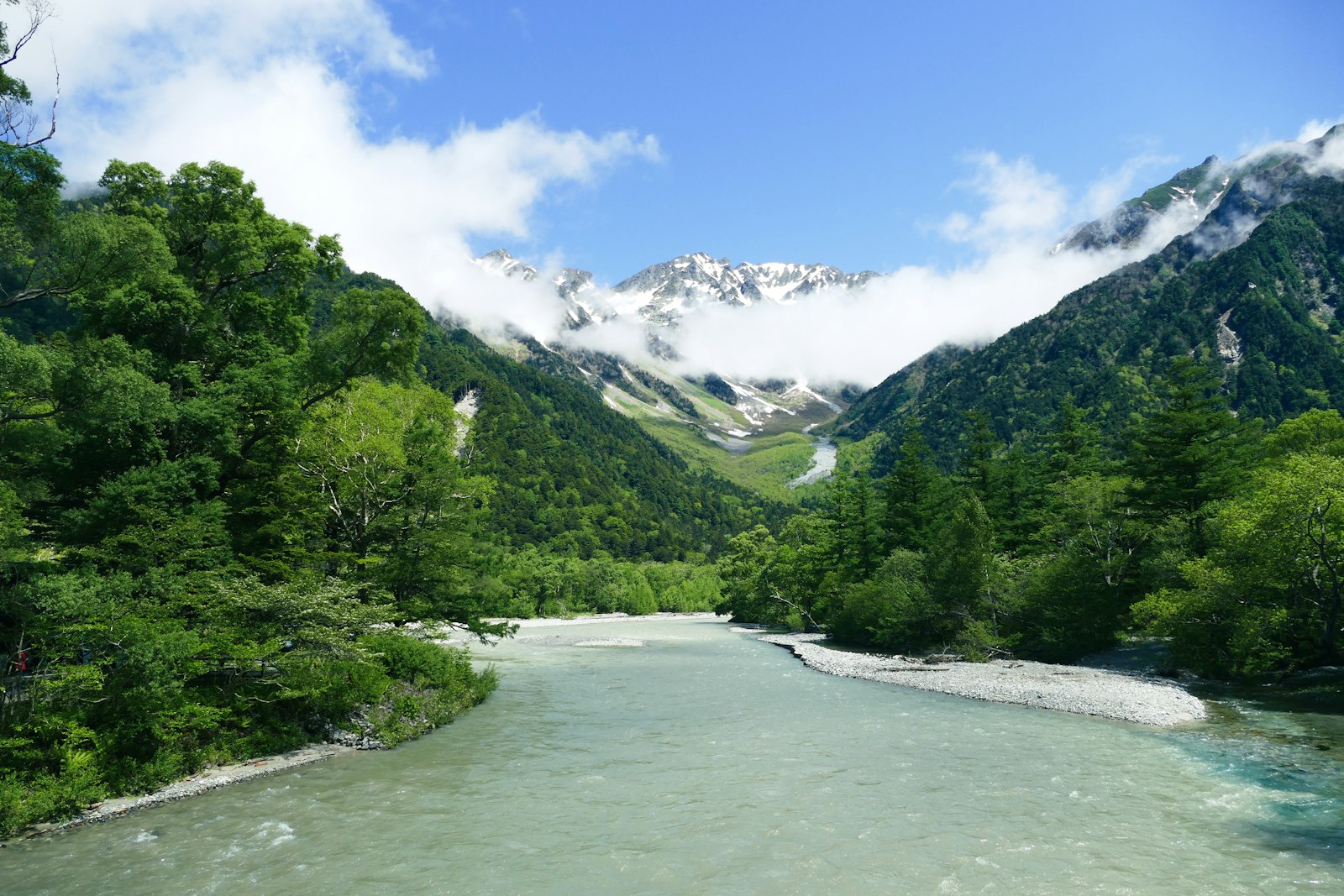
Before Shizuoka existed as a producer, Gaiaflow was already known in Japan as an importer, bringing in brands such as Blackadder and Amrut. Taiko Nakamura built the distillery on the banks of the Nakakouchi River in the Tamagawa district of Oku-Shizuoka, working with Derek Buston, an American architect based in Shizuoka, on the building itself.
Construction finished in August 2016. Japan’s whisky distillation license followed a month later, and the distillery produced its first distillate that October. That makes Shizuoka one of the wave of small distilleries, alongside names like Kanosuke and Akkeshi, that opened in Japan from the mid-2010s onward as the country’s whisky boom drew in producers who had previously worked in importing, brewing, or other drinks categories rather than whisky itself.
What sets Shizuoka apart within that wave is the choice to build a distillery around specific, unusual pieces of equipment rather than around a house style borrowed from an existing producer. Coming from an importing background rather than a shochu or beer-brewing one, as some of Shizuoka’s contemporaries did, Gaiaflow’s team had spent years tasting and selecting whisky from other countries before deciding what its own distillery’s stills should look like, and that history shows up directly in the decision to run a salvaged Karuizawa still alongside a wood-fired still rather than a more conventional, steam-heated pair.
Nakamura has traced the decision back to a specific trip. In June 2012 he visited Islay and Jura in Scotland, and a stop at Kilchoman, then still a young, independent distillery, changed his plans. According to Shizuoka’s own account of its founding, what struck him was watching a small, rural operation running old-fashioned equipment by hand and selling a genuinely singular whisky worldwide; he came away convinced that making whisky in Japan and selling it internationally was, in his words, the thing he should be doing. In a separate trade interview, Nakamura has framed the same decision more plainly as wanting to hand customers something he had planned and produced himself, rather than continuing to import and sell whisky other people had made. That shift from importer to producer is a large part of why Shizuoka’s equipment choices read as deliberate rather than accidental: having spent years selecting whisky other distilleries had already made, Nakamura built his own around stills and fermentation vessels he chose specifically, instead of defaulting to a standard, off-the-shelf setup.
What Shizuoka makes: two stills, two very different characters
Shizuoka’s identity is built around its two pot stills, and the distillery names its core whiskies directly after them. Pot Still K takes its name from a still salvaged from the legendary, now-closed Karuizawa distillery, giving Shizuoka a direct physical link to one of the most sought-after ghost distilleries in Japanese whisky history. Gaiaflow’s own account of the acquisition describes it less as a single dramatic purchase than as a rescue operation: when Karuizawa’s site was wound down, Gaiaflow took on the distillery’s production equipment as a set and then had specialists assess how much of it could realistically be brought back into working order, rather than preserving it purely as memorabilia. Putting one of those stills back into active production, instead of displaying it as a museum piece, is what turned Pot Still K from a historical artifact into a whisky that is still being made today, giving drinkers a way to taste something distilled on equipment tied to Karuizawa without relying on the closed distillery’s own increasingly scarce and expensive remaining stock. Pot Still W is the distillery’s wash still, and it is heated by direct wood fire rather than steam or electricity, a method almost no other working distillery in the world still uses.
That wood-fired system runs on timber thinned from the forests around Oku-Shizuoka, tying the distillery’s fuel source to local forestry work rather than to a standard utility hookup. Detailed accounts of the process describe distillers manually stirring the still’s base with a tool called a rummager during the burn to keep the wash from scorching against the open flame, a job steam or electric heating removes entirely; gas is reportedly used only to get the fire started before the wood takes over. It is one of the clearest examples of Shizuoka choosing a harder, more hands-on method over a more efficient standard one. The same local-materials thinking runs through the washbacks: alongside vessels made from the more conventional Oregon pine, Shizuoka had a set of fermentation vessels custom-built from Shizuoka-grown cedar, which the distillery has described as the only washbacks of their kind anywhere. According to Nakamura, the idea began with a simple question about whether whisky could be made using timber from the mountains right around the distillery, and getting there took cooperation from a local forestry cooperative, a cooper, and a wood-stove specialist rather than a standard equipment order. Some releases have gone further still, using barley grown by farmers in Shizuoka Prefecture rather than the imported malt most Japanese distilleries rely on, though Gaiaflow has not treated Shizuoka-grown barley as a fixed policy applied to every batch.
Running spirit through two stills with such different heating methods and histories produces two distinct new-make characters, which the distillery keeps largely separate rather than blending together by default. That separation is unusual: most single malt producers standardize around one still design, then rely on cask selection to create variation. Shizuoka instead builds variation into distillation itself, which is part of why its bottlings are treated as a serious reference point among enthusiasts despite the distillery’s small size and short history.
Core bottles and what they taste like
Shizuoka’s core range is organized around its stills: ‘K’ bottlings come from the ex-Karuizawa pot still, ‘W’ bottlings come from the wood-fired still, and ‘S’ releases blend spirit from both. Because Shizuoka is still a young distillery, most releases so far have carried edition names, such as “First Edition,” rather than fixed age statements, and recipes have shifted between Japanese-grown and imported barley across different runs.
The two stills produce noticeably different whisky. Pot Still K tends toward brighter, grain-forward character, with hay and vanilla sweetness alongside more savory notes like popcorn and a faint varnish edge, plus mint and aniseed. Pot Still W runs in a heavier, more estery direction, with nail polish and oil paint aromatics sitting alongside almond, peat, juniper, lemon peel, and fresh garden herbs, with subtle floral notes on top. The two profiles are different enough that trying them side by side is one of the more instructive tastings available from any young Japanese distillery.
| Bottling | Still | Style | Flavor profile |
|---|---|---|---|
| Shizuoka Pot Still K | Ex-Karuizawa pot still | Single malt, edition-dated releases | Bright, grainy sweetness; hay, vanilla, popcorn, a hint of varnish, mint, and aniseed |
| Shizuoka Pot Still W | Wood-fired wash still | Single malt, edition-dated releases | Heavier and estery; nail polish and oil paint notes with almond, peat, juniper, lemon peel, and garden herbs |
| Shizuoka Pot Still S | Blend of K and W spirit | Single malt, edition-dated releases | Combines character from both stills rather than favoring either alone |
For readers weighing whether to track down a bottle, what Shizuoka is really offering is a whisky built from choices most distilleries don’t make: a still salvaged and restored rather than replaced, a second still heated by hand-fed wood fire instead of steam, and fermentation vessels, and on occasion barley, sourced from the distillery’s own prefecture rather than a standard supply chain. None of that guarantees a particular flavor, but it does mean a bottle of Pot Still K or Pot Still W is tied to a specific, documented set of production decisions rather than a generic house style, which is a large part of why the range gets treated as a reference point by enthusiasts despite Shizuoka’s short history and small output.
Can readers outside Japan buy it or visit?
This is where Shizuoka is genuinely more difficult than most distilleries covered in this series. At the distillery itself, visitors cannot buy the single malt or new-make spirit to take home; the shop’s retail stock does not extend to Shizuoka’s own maturing whisky in the way some other distillery shops sell their core range on site. Outside Japan, supply is thin but not zero: specific editions, including a Pot Still W release made entirely from imported barley, have had a portion of their run, in that case around 2,000 bottles, allocated specifically for international sale. Specialist retailers such as The Whisky Exchange, Hard To Find Whisky in the UK, and outlets including Total Wine, Whisky Shop USA, First Fill Spirits, Dekanta, and Glass Revolution Imports in the US have carried individual Shizuoka editions when allocations become available.
Because releases are edition-based and allocations are small, availability is inconsistent rather than absent. Readers seriously interested in a bottle should treat any of the retailers above as a starting point for checking current stock rather than assuming a given edition will still be listed by the time they look, and should not expect Shizuoka to behave like a widely distributed brand.
Visiting is also more involved than at many distilleries. Tours run by reservation only, booked through the distillery’s own website, which is in Japanese, though browser translation tools can get a reader through the booking form. Reservation windows tend to open roughly a month or two ahead of the visit date rather than staying open indefinitely, so readers planning a Japan trip around a Shizuoka visit should book as early as the site allows. A standard visit includes a roughly one-hour formal tour followed by a separate, paid tasting session of about an hour in the shop.
FAQ
Q: Why is a still from Karuizawa distillery at Shizuoka?
A: Karuizawa was a Japanese whisky distillery that closed and was later dismantled, and its remaining bottled stock has since become some of the most sought-after and expensive Japanese whisky on the secondary market. When Shizuoka was being built in 2016, it acquired one of Karuizawa’s original pot stills and put it back into active use, naming its “Pot Still K” range directly after that equipment. It gives Shizuoka a physical link to a distillery whose own whisky can no longer be produced.
Q: What makes the wood-fired still at Shizuoka unusual?
A: Most pot stills today are heated by steam coils or direct electric elements because they are easier to control precisely. Shizuoka’s wash still, named Pot Still W, is heated by an open wood fire instead, a traditional method that very few working distilleries anywhere in the world still use. It requires more manual attention during distillation and is one of the clearest examples of Shizuoka choosing a harder, more hands-on production method over a more efficient standard one.
Q: Can I buy Shizuoka whisky outside Japan?
A: Sometimes, but supply is limited and inconsistent rather than reliably stocked. Shizuoka releases specific, edition-dated bottlings rather than an always-available core range, and only a portion of each edition’s production is typically allocated for markets outside Japan. Specialist retailers in the UK and US, including The Whisky Exchange and Hard To Find Whisky, have carried individual editions when allocations arrive, so checking current stock directly with a retailer is more reliable than assuming general availability.
Q: Do I need to book a Shizuoka distillery tour far in advance?
A: Yes. Tours are reservation-only through the distillery’s Japanese-language website, and booking windows tend to open only a month or two before the visit date rather than staying open on a rolling basis year-round. Readers planning international travel around a visit should build in flexibility, since reservations can fill before a booking window has been open very long, and should expect the tour itself to run roughly an hour, with a separate paid tasting session afterward.
Sources
- Tokyo Weekender, “A Visit to the Shizuoka Whisky Distillery” — tokyoweekender.com
- Shizuoka Distillery (official), “Mission & Story” (Japanese) — shizuoka-distillery.jp
- Shizuoka Kensetsu Kaikan (Shizuoka Construction Industry Assoc.), “日本産ウイスキーへの情熱と挑戦〜ガイアフロー静岡蒸溜所 中村大航社長に聞く〜” (Japanese) — sizkk-net.or.jp
- Chubu Electric Power, ““静岡らしいウイスキー”を目指して” (Japanese) — koryu.chuden.co.jp
- GAIAFLOW CO., LTD. (official blog), “軽井沢ウイスキー蒸留所設備の今後の利用方針について” (Japanese) — gaiaflow.co.jp
- 88 Bamboo, “Following Your Dreams is Truly Hard Work: We Spoke to Shizuoka Whisky’s Founder Taiko Nakamura” — 88bamboo.co
- WhiskyNotes, “Shizuoka Pot Still K / Pot Still W” — whiskynotes.be
- Malt Review, “Shizuoka Prologue K and Prologue W” — malt-review.com
- Hard To Find Whisky, “Shizuoka 1st Edition Pot Still W 100% Imported Barley” — htfw.com
- The Whisky Exchange, “Shizuoka Pot Still W 100% Imported Barley – 1st Edition” — thewhiskyexchange.com
- Kyoto Sake Experience, “6 Japanese Whisky Distilleries to Visit” — kyotosakeexperience.com