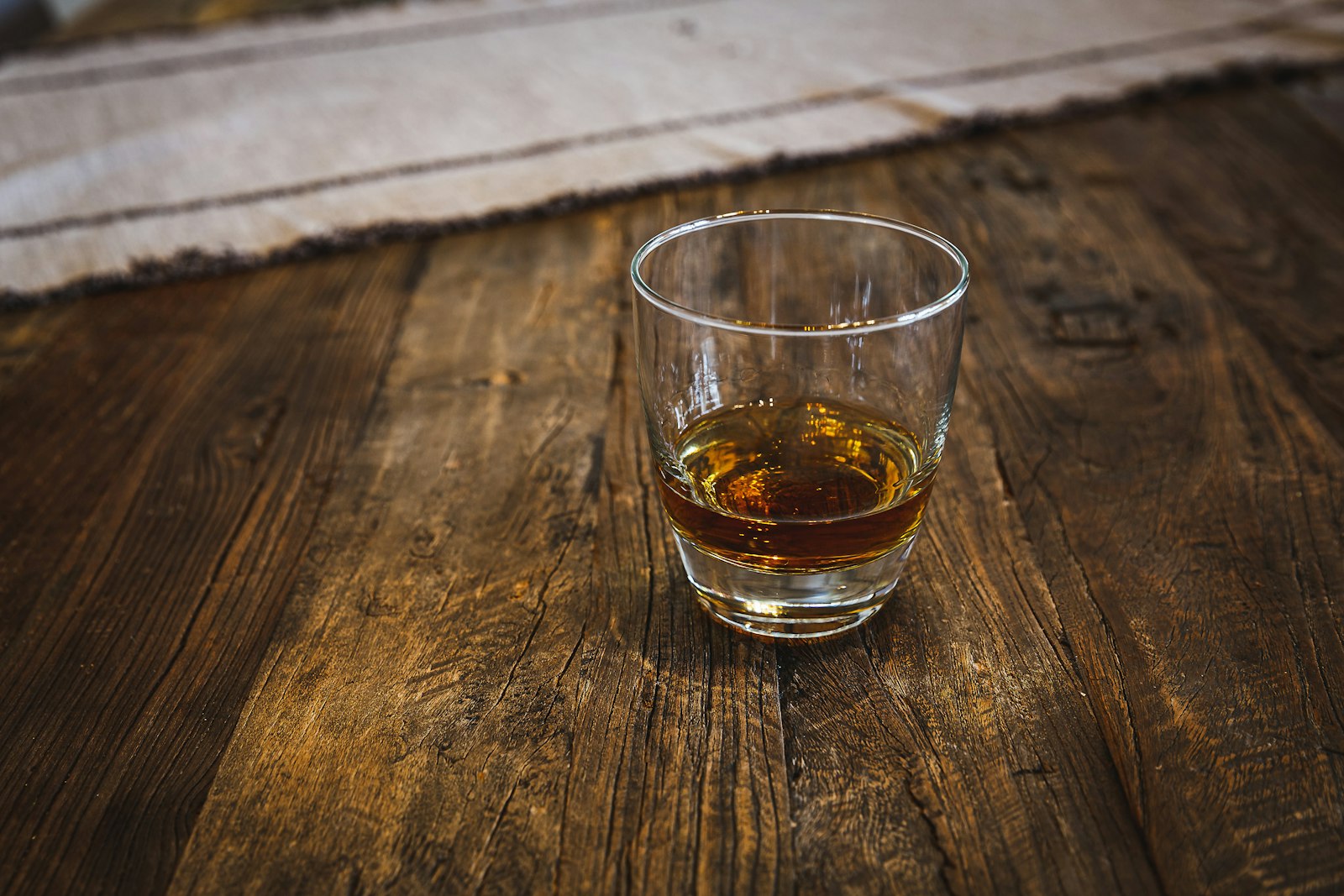
Tamano Ascend (玉野アセンド) distillery in Fukushima Prefecture will release Souka (双夏), a young whisky drawn from spirit that has spent two summers in cask, on Sunday, September 6, 2026. It is billed as the 2026 Summer Edition of the distillery’s Hiraku (拓駈) line and follows the Hiraku New Born bottling from March 2026.
Souka is a blend built mainly on spirit matured in new bourbon barrels, taken from stock laid down since the distillery started work in July 2024. The name means “twin summers.” Tamano Ascend describes it as keeping the raw drive of young spirit while turning softer on the palate, with clearer wood-driven sweetness than the New Born. It is bottled at 43% ABV in 700ml bottles at 9,460 yen including tax, roughly $65 or £48. Bartenders given early samples described “aromas of earth and grassland” and called it a nightcap. The whisky debuts at the Whisky Collection Koriyama event on release day, then reaches liquor shops and the distillery’s online store.
A distillery in a closed school
The distillery sits in the Tamano district of Soma, in the hills of coastal Fukushima, inside a former elementary school that shut as the area’s population fell. It is run by CTI Ascend, a company spun out of the Tokyo construction consultancy Construction Technology Institute through an in-house venture scheme; it was incorporated in January 2023 and took a whisky license in 2024. The slogan is “whisky raised from the soil”: the team grows its own corn and rye on farmland around the site, much of it previously left idle, and feeds distilling by-products into local farming, with the resulting compost returned to the fields. The company name stands for agriculture, sustainability, circular economy and development.
Early recognition
Tamano Ascend has drawn notice at the Tokyo Whisky & Spirits Competition. It was named New Distillery of the Year in 2025, and in 2026 its Hiraku New Make MashR took a gold medal and its Hiraku New Born MashR a silver, alongside a special Best Japanese SDGs award for the farming and circular-economy work. On-site grain growing is still rare in Japan; the Shizuoka distillery and a handful of others have pushed in the same direction with barley.
What it means for readers abroad
Souka is a domestic release with no export plan, sold through Japanese liquor shops and the distillery’s own webshop, so a forwarding service or a trip is the only way to get a bottle. It is a work in progress rather than a finished statement: at two years old it sits below the three-year mark many markets treat as the floor for whisky, and the label reads simply “whisky,” not “Japanese whisky” as defined by Japan’s 2021 industry standard. The reason to watch it is the field-to-bottle model. Tamano Ascend’s version — corn and rye rather than barley, grown on reclaimed farmland around a shuttered school — puts it closer to estate distilleries such as Ireland’s Waterford than to Japan’s malt-focused craft producers. The grain bill also leans more American than Scottish, which shapes how the bourbon comparison reads on the label.
Source: PR TIMES / CTI Ascend (Japanese)