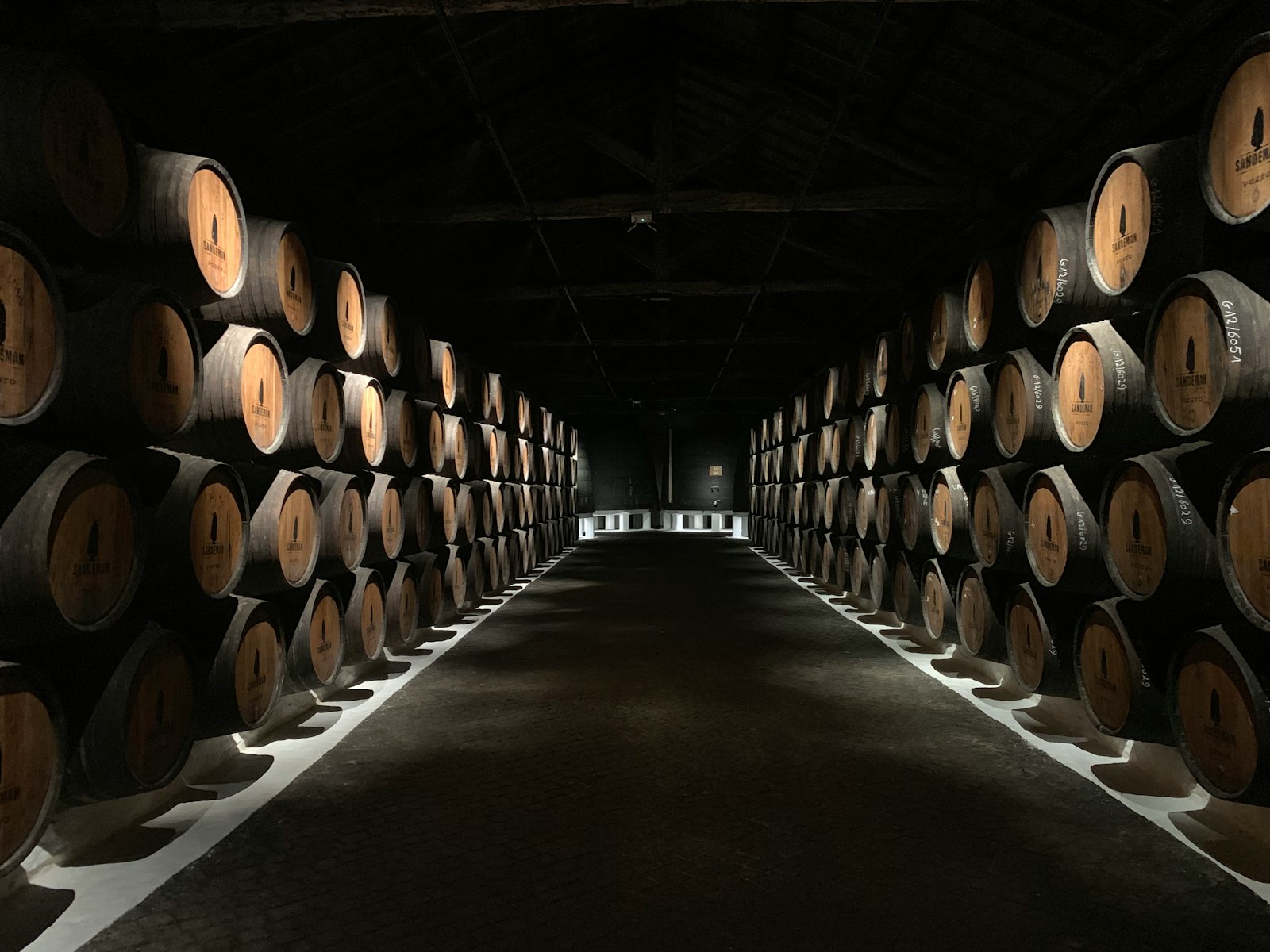
Cask strength Japanese whisky is whisky bottled at, or close to, the alcohol level it reached inside the barrel, with little or no water added to bring it down. Most Japanese whisky is diluted to 40% to 43% ABV before bottling. A cask strength release usually lands somewhere between 55% and 65%, and the figure printed on the label is almost never a round number.
That is the simple part. The harder questions are the ones general whisky explainers skip: whether “cask strength” means anything under Japan’s labelling rules, why Japan’s climate makes the number behave differently from Scotland’s, and which bottles on the shelf are genuinely cask strength rather than just strong. This guide works through all three, using what Japanese distilleries and the Japanese trade press say about their own maturation.
What cask strength actually means
New-make spirit goes into the barrel at a fill strength that the distillery chooses. The Whisky Culture Research Institute’s data sheet for Chichibu (秩父) lists a fill strength of about 63% ABV, which is typical for Japan. Over the years in wood, that number drifts as water and alcohol evaporate at different rates. When the whisky is bottled without correcting it back to a house strength, you get cask strength.
Two labels are often confused with it. A single cask bottling is drawn entirely from one barrel; that is a statement about batch size, not about dilution. A single cask can be reduced with water, and a cask strength whisky can be vatted from many barrels. In practice Venture Whisky and Mars sell most single casks at full strength, while Suntory’s rare cask strength editions are blended from many casks.
Why Nikka From the Barrel is not cask strength
Nikka From the Barrel is the bottle most people assume is cask strength, and it is not. After blending, Nikka marries the whisky in wood for a few months and then reduces it with a small amount of water to a fixed 51.4% ABV for every batch. It is deliberately strong and deliberately consistent, which is the opposite of what a cask strength number tells you. Our Nikka From the Barrel review covers how that recipe is built.
Cask strength says nothing about age
A high ABV is sometimes read as a sign of youth, on the logic that the spirit has not had time to lose strength. That is unreliable in Japan, where evaporation is fast. Age and strength are separate pieces of information, and many Japanese cask strength bottles now carry no age statement at all, for the reasons set out in our guide to Japanese whisky age statements.
Does Japan’s labelling standard mention cask strength?
No. The 2021 standard from the Japan Spirits and Liqueurs Makers Association sets out what may be called “Japanese whisky”: water sourced in Japan, mashing, fermentation, distillation and maturation carried out in Japan, at least three years in wood, and bottling in Japan at 40% ABV or higher. It sets a floor on strength and says nothing about a ceiling, and it never uses the term cask strength. Our explainer on what counts as Japanese whisky goes through the full text.
So cask strength is a producer’s description, not a protected term, exactly as it is in Scotland. That is fine when the producer is straightforward about it. The problem specific to Japan is that some cask strength bottles marketed abroad as Japanese do not meet that 2021 definition at all. Kaiyo is the most argued-over case; we cover the details in our Kaiyo write-up. Before paying a cask strength premium, check the distillery name and where the spirit was made, not just the number on the front.
Why Japan’s climate changes what the number means
The angels’ share, the portion lost to evaporation each year, runs at roughly 2% in Scotland. Kagoshima (鹿児島) distilleries such as Kanosuke report 6% or more, and Mars’s ageing cellar on Yakushima (屋久島), exposed to sea air and near-constant rain, loses more still. Whisky in these warehouses matures faster, and its strength moves faster too.
The direction of that move depends on humidity, not only heat. In dry heat, water leaves the cask faster than alcohol and the ABV climbs. In the humid subtropical south, the reverse happens. Hombo Shuzo notes that its Tsunuki (津貫) warehouse in Kagoshima tends to produce spirit lower in strength and less concentrated than its cooler, higher Komagatake (駒ヶ岳) site at 798 metres in the Central Alps. Mars runs three warehouses in three different climates on purpose, and our Mars Shinshu distillery guide explains how the company uses them.
Two practical consequences follow. A 10-year cask strength whisky from a warm Japanese site can sit at an ABV, and a level of wood extraction, that a Scotch would reach only after far longer. And two casks filled on the same day at the same distillery can be bottled years later at visibly different strengths, which is why single cask numbers vary from bottle to bottle. As the Japanese drinks site Tanoshii Osake puts it, once you accept that every cask is different, the exact figure matters less than the character behind it.
Mizunara pushes it further
Japanese oak, mizunara (水楢), is porous and leaks more than European or American oak, so casks filled with it lose volume and strength quickly and give up a lot of flavour compounds in the process. A mizunara cask strength whisky is often an older-tasting, higher-extract dram than its age would suggest. Our piece on mizunara oak covers why the wood is so difficult to work with.
The Japanese cask strength bottles you will actually see
The list of producers who release cask strength whisky regularly is short, and knowing it helps you judge what is real.
- Ichiro’s Malt and Chichibu: Venture Whisky bottles a large share of its Chichibu output as single casks at cask strength, alongside recurring higher-strength releases such as Chichibu On The Way. The Chichibu distillery guide has the background.
- Nikka: Single Cask Yoichi and Single Cask Miyagikyo, sold mainly at the distilleries and in small export runs, are cask strength. From the Barrel is not.
- Mars: single casks from Komagatake, Tsunuki and the Yakushima cellar, each labelled with the warehouse it matured in.
- Suntory: cask strength Yamazaki and Hakushu have appeared only as occasional limited editions, vatted from many casks, never as permanent bottlings.
- Fuji: Kirin’s Fuji Gotemba distillery issues occasional cask strength single grain and single malt.
- Independent bottlers: much of the “cask strength Japanese” whisky on the secondary market is independently bottled single casks, some distilled before the 2021 standard and some from distilleries that are not named.
Should you add water, and how
Start neat, with a small sip, to read the whisky as bottled. Then add water a few drops at a time and taste as you go. At 60% and above, the alcohol can flatten aroma through sheer nose burn, and a little water lifts the lighter esters back out. The Glenlivet’s own Japanese-language guidance says the same thing: use room-temperature water, add it gradually, and stop before it thins.
For a highball, cask strength is efficient, because you need less whisky per glass to hit the same intensity; our Japanese highball guide has the ratios. Once open, a high-ABV bottle oxidises more slowly than a 40% one, but it still keeps best upright and out of direct light.
| Label term | What it guarantees | Typical ABV | From one cask? |
|---|---|---|---|
| Cask strength | No or minimal water added after maturation | 55 to 65% | Not necessarily |
| Single cask | The whole bottling comes from one barrel | Varies, often cask strength | Yes |
| From the Barrel (Nikka) | A fixed recipe strength, reduced with a little water | 51.4% | No |
| Standard bottling | Diluted to a house strength | 40 to 43% | No |
Where to buy cask strength Japanese whisky
United States. Specialist online retailers such as Dekanta and Seelbach’s list current Chichibu and Mars single casks, usually from about $150 to $400, with older or independently bottled casks well above that. Auction platforms are the main route to discontinued single casks. Our guide to where to buy Japanese whisky in the US covers the reliable sellers.
United Kingdom and Europe. The Whisky Exchange, Master of Malt, The Whisky Shop and several European independents carry Chichibu, Mars and independent-bottler casks. UK duty makes the prices high, but availability is better than in the US. See where to buy Japanese whisky in the UK.
Japan. Distillery shops are the cheapest source when you can reach them: Mars Komagatake and Mars Tsunuki both sell warehouse-specific single casks, and Tokyo whisky specialists and the seasonal whisky fairs carry the rest. Distillery-exclusive cask strength bottles are among the few Japanese whiskies still sold close to list price.
Whatever the source, check four things before paying: the distillery name, the fill and bottling dates, the exact ABV, and whether the label says “Japanese whisky” or falls under the “world” or “blended” wording that the 2021 rules pushed many bottles into.
Q: Is cask strength whisky stronger-tasting, or just higher in alcohol?
A: Both, and they are linked. The higher alcohol carries more of the flavour compounds pulled from the wood, so a cask strength whisky usually tastes more concentrated and more intense than the diluted version of the same spirit. It also delivers more heat on the nose and palate, which is why most people add a little water to open it up rather than drinking it straight at 60% or more.
Q: Why is the ABV on Japanese cask strength bottles so specific, like 61.3%?
A: Because it is measured from the actual liquid rather than set by the distillery. Once the whisky has spent years losing water and alcohol at rates that depend on the warehouse, the strength it lands at is whatever it is. Bottling it without adjustment means printing that exact figure. A round number such as 46% or 43% is a sign that water was added to reach a target.
Q: Does cask strength mean the whisky is better quality?
A: Not on its own. Cask strength tells you the whisky was not diluted, which lets you judge the spirit and the wood directly and dilute to your own taste. It does not tell you the cask was good. A weak cask bottled at full strength is still a weak cask, just more of it per sip. Distillery, cask type and maturation time matter more than the ABV.
Q: Is Nikka From the Barrel a cask strength whisky?
A: No. Nikka blends it, marries it in wood for a few months, then reduces it with a small amount of water to a fixed 51.4% ABV for every batch. It is a high-strength blended whisky with a consistent recipe, not a whisky bottled at whatever strength it reached in the cask. The name refers to the marrying step in wood, not to undiluted bottling.
Sources:
- Whisky Culture Research Institute, Japanese Whisky Information Center, Chichibu distillery data sheet, on fill strength and warehouse types (Japanese) — jwic.jp
- Hombo Shuzo, “Mars Whisky” quality pages, on maturation across the Komagatake, Tsunuki and Yakushima warehouses (Japanese) — hombo.co.jp
- Tanoshii Osake, “What cask strength means: the two definitions” (Japanese) — tanoshiiosake.jp
- The Glenlivet Japan, “What is cask strength” (Japanese) — theglenlivet.jp
- House of Suntory, “Japanese Whisky Definition,” on the 2021 labelling standard — house.suntory.com