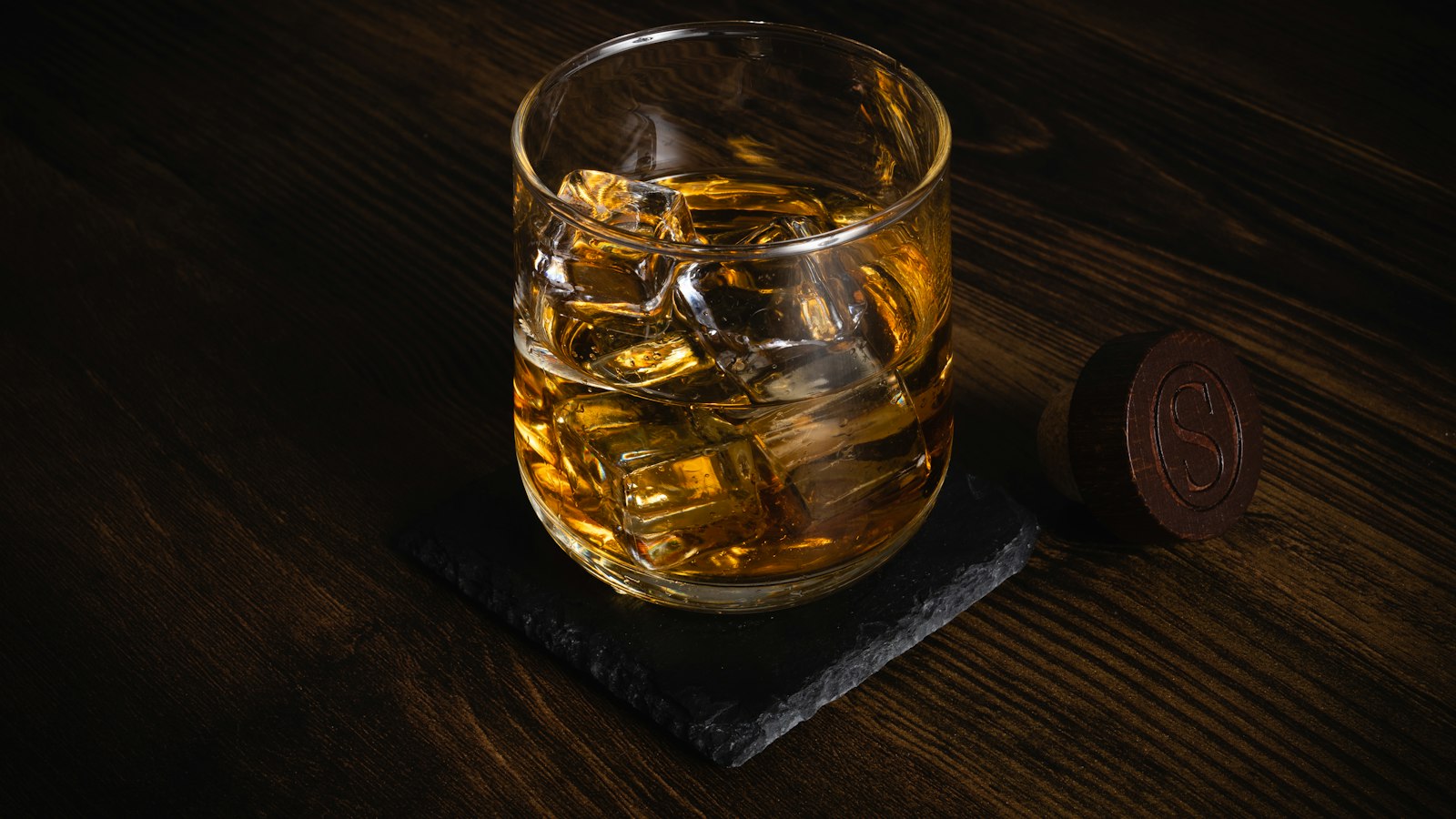
If you live in Singapore, Japanese whisky is easy to find and hard to buy cheaply. Core bottles from Suntory and Nikka sit on the shelves of online liquor retailers, supermarkets and airport shops. The price gap with Japan, though, is large, and most of it is not retailer greed. It is tax, charged on the alcohol itself.
This guide explains where the bottles actually come from, how Singapore’s duty works on a typical 700ml bottle, how much you can carry back from Japan duty-free, and what changed in Japan’s own tourist tax-free system on November 1, 2026. It is written for residents and frequent travelers who want to stop overpaying without ending up with a fake.
The short answer: four realistic channels
There are four places most Singapore drinkers buy Japanese whisky. Each one solves a different problem.
- Local online and walk-in liquor retailers. Retailers such as The Liquor Shop and Asher list the familiar Suntory range, including Hibiki Harmony and Yamazaki 12. Prices move with frequent promotions, so the listed “original” price is rarely what people pay.
- Changi Airport and iShopChangi. Changi Airport Group’s online store sells Yamazaki, Hibiki and Nikka bottles, including tax-absorbed offers for delivery within Singapore. Its own site warns that some third-party sellers trade under the iShopChangi name without permission, so order only through the official domain.
- Bottles carried back from Japan. This is where the real savings are, within a strict personal allowance (explained below).
- Peer-to-peer resale. Marketplaces such as Carousell carry rare and discontinued bottles. This is also the channel with the highest risk of refilled or misdescribed bottles.
Bars are a fifth option if your goal is to taste before committing. Paying for a pour of Hibiki 21 is far cheaper than buying a bottle you may not like.
Why Japanese whisky costs more in Singapore: the tax math
Most buying guides stop at “Singapore has high alcohol taxes.” The structure matters more than the headline, because it changes which bottles are good value here.
Duty is charged on pure alcohol, not on price
Singapore Customs calculates liquor duty with a fixed formula: quantity in liters × duty rate × alcoholic strength. In other words, the tax is a flat amount per liter of pure alcohol. Wine and spirits are reported to carry excise duty of S$88 per liter of alcohol, with no separate customs duty. A 9% GST is then added on top of the value plus duties.
Because the duty is flat, a S$60 bottle and a S$600 bottle at the same strength pay exactly the same excise. Cheap whisky is hit hardest in percentage terms. Premium Japanese whisky, oddly, is penalized less.
What that means for real bottles
Here is the excise alone, before GST, on some common Japanese bottles. The figures use the S$88 rate and each bottle’s stated size and strength.
| Bottle | Size and strength | Pure alcohol | Excise before GST |
|---|---|---|---|
| Suntory Toki | 700ml, 43% ABV | 0.301 L | about S$26.49 |
| Hibiki Harmony | 700ml, 43% ABV | 0.301 L | about S$26.49 |
| Nikka From the Barrel | 500ml, 51.4% ABV | 0.257 L | about S$22.62 |
| A cask-strength single malt | 700ml, 60% ABV | 0.420 L | about S$36.96 |
Two practical conclusions follow. First, an entry-level highball blend loses most of its price advantage in Singapore, since roughly S$29 of tax (with GST) sits on every bottle. Second, the gap between a S$130 bottle and a S$250 bottle is narrower in relative terms than in Japan. If you were going to trade up anyway, Singapore is a market that rewards it. Our explainer on why Japanese whisky costs what it does covers the supply side of the same story.
Bringing whisky back from Japan: the allowance and its traps
Many Singapore residents fly to Japan several times a year, and buying there is the single biggest saving available. The catch is that Singapore’s duty-free concession is small and has conditions that are easy to miss.
The Singapore duty-free concession
According to Singapore Customs, a traveler may bring in duty-free liquor only if all of these apply: you are 18 or older, you spent at least two days outside Singapore, you are not arriving from Malaysia, and the liquor is for your own consumption. You then choose one combination. The only options that include spirits allow 1 liter of spirits plus either 1 liter of wine or 1 liter of beer.
In practice, that means one standard 700ml bottle of Japanese whisky is covered. A second 700ml bottle takes you over the spirits limit, and the excess is dutiable. Customs also requires a permit if you bring in more than 10 liters of liquor in total.
The rules people get wrong
- The Malaysia rule. If you cleared immigration in Malaysia before entering Singapore, you count as arriving from Malaysia and get no liquor concession at all. A Tokyo to Kuala Lumpur to Singapore overland trip loses the allowance.
- Arrival duty-free counts. Bottles bought at Singapore’s arrival duty-free shops come out of the same concession. You cannot buy one bottle in Tokyo and a second at Changi arrivals tax-free.
- No gifts. The concession is for personal consumption. Customs says the liquor must not be sold or given away, and goods carried for other people are dutiable.
What changed in Japan on November 1, 2026
Japan’s tourist tax-free system (輸出物品販売場制度) moved to a refund model from November 1, 2026. Under the old system, eligible visitors paid the price without consumption tax at the counter. Now tax-free shops charge the tax-inclusive price. The tax is refunded only after customs confirms at departure that the goods are leaving Japan, and the goods must be taken out within 90 days of purchase. The change was made to stop tax-free purchases from being resold inside Japan.
For a Singapore resident buying a single bottle, the saving is the same as before. The difference is cash flow and paperwork: you pay the full price up front and need the purchase record to be verified at the airport. Shops in Tokyo and the duty-free counters at Narita work differently, which we break down in where to buy Japanese whisky in Tokyo and whether Narita duty free is actually cheaper.
How Japan sees the Singapore market
The Japan External Trade Organization (JETRO, ジェトロ) briefs Japanese producers who want to export to Singapore. Its Japanese-language materials explain a lot about what ends up on local shelves, and they are rarely quoted in English.
A Japanese-food market first, a whisky market second
In a February 2025 seminar for exporters, JETRO’s Singapore office described Japanese restaurants as the second most common cuisine in the city after Chinese food. It also said awareness of Japanese alcohol, led by sake, is high. That matters for whisky buyers. Much of the Japanese drink that reaches Singapore travels through restaurant and food distribution, not through whisky specialists, so the range skews toward well-known brands that sell with a meal.
The same seminar noted that overall alcohol consumption in Singapore fell during the 2023 to 2024 slowdown. Weak volume is one reason retailers lean so hard on promotions. For buyers, this is good news: the gap between list price and selling price is real, and patience pays.
The regulatory filter on what gets imported
JETRO’s Japanese export guide sets out the import rules that every bottle must pass. Alcoholic drinks are regulated as processed food by the Singapore Food Agency under the Sale of Food Act. Products must meet the food standards for alcoholic beverages in the Food Regulations, and drinks containing denaturants are banned. The import restrictions Singapore placed on Japanese food after the Fukushima nuclear accident were lifted on May 28, 2021, according to the same guide.
For a small Japanese craft distillery, meeting labeling and registration requirements for a city of six million people is a real cost. That is why the newer single malts we cover in our list of every Japanese whisky distillery are far easier to find in Tokyo than in Singapore, and why carrying them home is often the only route.
Official imports, parallel imports and fakes
Singapore’s high prices create a large market for bottles that arrive outside official distribution. Not all of them are a problem, but you need to know which kind you are looking at.
Parallel imports are not automatically suspect
A bottle bought in Japan or elsewhere and imported by a third party can be perfectly genuine. The risks are storage (a bottle that sat in a hot container), missing duty (which makes a deal look too good), and Japan-market bottles whose labels you cannot read. If a retailer offers a price below the duty and GST it must have paid, ask how.
Resale and the label test
On peer-to-peer platforms, the rarest bottles are the most likely to be refilled. Check the capsule and seal, compare the label against the distillery’s official images, and be wary of sellers who have only one high-value listing. Our guide on how to spot a bottle that is not really Japanese whisky walks through what to inspect. A separate issue is whisky labeled to look Japanese while containing imported spirit. Japan’s industry standard addresses this, and our explainer on “World Blended Whisky” shows how to read it.
Comparing the buying channels
Each channel trades price against convenience and certainty. The table summarizes the trade-offs for a typical buyer.
| Channel | Price level | Range | Main risk |
|---|---|---|---|
| Local liquor retailers | Full duty and GST, offset by frequent promotions | Core Suntory and Nikka, some limited releases | Paying the “original” list price |
| iShopChangi | Tax-absorbed offers on selected bottles | Major brands | Unofficial sites using the iShopChangi name |
| Carried back from Japan | Lowest, within the allowance | Widest, including craft distilleries | Exceeding the 1 liter spirits limit |
| Peer-to-peer resale | Variable, often above retail | Rare and discontinued bottles | Refilled or misdescribed bottles |
A practical buying strategy
Put the pieces together and a simple approach emerges for anyone living in Singapore.
Buy the everyday bottles locally, on promotion
For Hibiki Harmony, Yamazaki 12 and Toki, the difference between Japan and a good Singapore promotion is smaller than people expect once you account for one-bottle allowances. Watch retailers’ sale periods and buy then. Our reviews of Hibiki Harmony and Yamazaki 12 explain what you are paying for in each.
Use your Japan allowance on what Singapore does not stock
Your single duty-free liter is precious. Spend it on a craft-distillery single malt or a Japan-only release, not on a bottle you can buy on Orchard Road. And if you are tempted by a rare bottle on resale, read our guide to buying Japanese whisky at auction first. The same discipline applies.
Frequently asked questions
Q: How much Japanese whisky can I bring into Singapore duty-free?
A: Spirits are limited to 1 liter, combined with either 1 liter of wine or 1 liter of beer. That covers one standard 700ml bottle. You must be 18 or older, have spent at least two days outside Singapore, and not be arriving from Malaysia. Anything over the allowance is dutiable.
Q: Why is Japanese whisky so much more expensive in Singapore than in Japan?
A: Singapore charges excise on every liter of pure alcohol, reported at S$88 for spirits, plus 9% GST on the value and duty. A 700ml bottle at 43% ABV carries about S$26.49 in excise before GST. Japan’s own tax on whisky is far lower, so the gap is mostly tax.
Q: Do I still get tax-free shopping on whisky in Japan after November 2026?
A: Yes, but the method changed on November 1, 2026. Tax-free shops now charge the full tax-inclusive price, and the consumption tax is refunded after customs confirms at departure that the goods are leaving Japan. Goods must leave within 90 days of purchase. The amount saved is the same, but you pay upfront.
Q: Is it safe to buy rare Japanese whisky on Carousell or other resale platforms?
A: It can be, but rare bottles are the most likely to be refilled or misdescribed. Inspect the seal and capsule, compare the label against official images, ask for the purchase history, and be cautious with sellers who have a single high-value listing. If the price looks too good, assume there is a reason.
Sources
- Singapore Customs, “Duty-Free Concession and GST Import Relief” — https://www.customs.gov.sg/at-customs/arriving-in-singapore/duty-free-concession-gst-relief/
- Singapore Customs, “Duties and Dutiable Goods Overview” — https://customs.gov.sg/businesses/valuation-duties-taxes-and-fees/duties-and-dutiable-goods/
- JETRO, “シンガポールにおける酒類市場の現状と輸出のポイント” (Japanese) — https://www.jetro.go.jp/agriportal/online/2025/6d5ddbf08c5b797e.html
- JETRO, “シンガポール アルコール飲料の輸入規制” (Japanese) — https://www.jetro.go.jp/world/asia/sg/foods/exportguide/alcohol.html
- TKC, “輸出物品販売場制度のリファンド方式 第1回 輸出物品販売場制度はどの様に変わるか” (Japanese) — https://tkc.jp/consolidate/webcolumn/column202607_1_col01
- Wine Intelligence, “Singapore’s alcohol market grows through premiumization despite high taxes” — https://wine-intelligence.com/blogs/wine-news-insights-wine-intelligence-trends-data-reports/singapore-s-alcohol-market-grows-through-premiumization-despite-high-taxes
- iShopChangi, Japanese whisky category — https://ishopchangi.com/en/category/wine-and-spirits/wine-and-spirits-spirits/japanese-whiskey