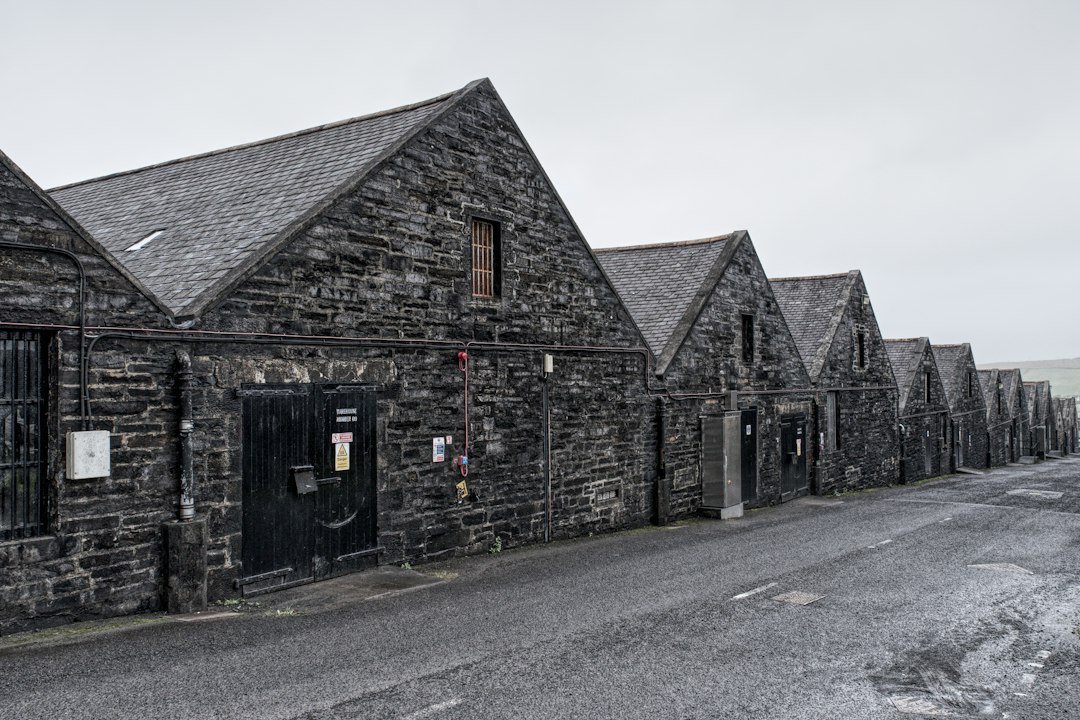
Seiichi Koshimizu (輿水精一), Suntory’s honorary chief blender and the man behind many of the bottles that put Japanese whisky on the world map, has been named one of the first recipients of Shoku no Shiho (食の至宝), a new honor from Japan’s Agency for Cultural Affairs (文化庁) for people who have shaped the country’s food culture. Suntory and the award’s secretariat, the restaurant platform Gurunavi (ぐるなび), announced the eight inaugural recipients on November 10, 2026. Koshimizu is the only whisky maker on the list, which matters because it is the first time a whisky blender has been placed by the Japanese state in the same category as master chefs, tea makers and the keepers of traditional food crafts.
Who Koshimizu is and why he was chosen
Born in 1949, Koshimizu joined Suntory in 1973 and has worked on whisky ever since. According to Suntory’s release, he moved through the company’s research center and its cask storage division before becoming chief blender in 1999, and he has held the title of honorary chief blender since 2014. Suntory credits him with work across its premium range, naming Yamazaki, Hakushu and Hibiki. In 2015 he became the first Japanese person inducted into the Whisky Hall of Fame, and whiskies he worked on, with Hibiki 21 singled out by Suntory, have won top prizes at international competitions many times. He is also listed as a visiting professor at the University of Yamanashi (山梨大学).
The Agency for Cultural Affairs created the award to honor individuals who are active, top-tier practitioners of a food craft, who have raised the value of Japanese food culture, and who serve as role models for the next generation. Recipients receive a certificate from the Minister of Education, Culture, Sports, Science and Technology. The other seven honorees for this first year include a former head of the Japan Sommelier Association, a hand-rolled tea master, the last maker of traditionally produced honkarebushi bonito flakes in Kochi Prefecture, and chefs working in Japanese, Chinese and fermented-sushi cuisine.
The selection committee’s citation is worth reading closely, because it describes blending rather than distilling. It says Koshimizu drew out the strengths of hundreds of component whiskies and adjusted his blends with an eye to how they would hold their balance when mixed with water or soda, an approach the committee linked to wa (和), the Japanese idea of harmony. It also credits his competition record and his Hall of Fame induction with helping to establish the international reputation of Japanese whisky.
In a statement released by Suntory, Koshimizu said he hoped the honor would encourage the next generation of Japanese whisky makers. He added that he intends to keep working, together with the wider industry, to protect and raise the brand value of Japanese whisky and to share it with whisky fans around the world, with a focus on training younger makers.
Why this matters
Japanese whisky’s reputation abroad was built largely on blends and on the idea that a Japanese blender treats a whisky the way a chef treats a meal: something meant to be drunk with food, and often with water or ice. The government’s citation now says the same thing in official language. By putting a whisky blender beside the guardians of dashi, tea and bonito, the first Shoku no Shiho list frames Japanese whisky as part of the country’s food culture, not as an imported product that happens to be made in Japan.
That framing lines up with the industry’s own push to protect the category. Koshimizu’s comment about guarding brand value “across the industry” echoes the voluntary labeling standard that Japan’s distillers adopted to define what can be called Japanese whisky, which we explain in our guide to the Japanese whisky definition. Public recognition of the craft gives that effort more weight at home, at a time when well over 100 whisky distilleries in Japan are competing for attention. It also follows a run of public honors for the trade: earlier this week we reported on a Medal with Yellow Ribbon for Otaru bartender Hiroshi Noda.
For Suntory, the timing is notable. The company has just announced another round of price increases for Yamazaki, Hakushu and Hibiki in Japan from April 2027, and it continues to win trophies with older stock, such as the Yamazaki 25 award at ISC 2026. Recognition of the blender behind its most famous whiskies reinforces the premium story it tells in Japan and overseas.
For readers outside Japan
There is no commemorative bottle tied to the award, and Suntory has not announced one, so there is nothing new to buy. The honor is still a useful lens for drinkers abroad, because several whiskies from Koshimizu’s era as chief blender are sold in export markets. Hibiki is the clearest way to see the blending philosophy the committee describes; our Hibiki Japanese Harmony review and Hibiki 21 review compare the entry and aged expressions. For the single malts, see our Yamazaki 18 review and Hakushu 12 review.
Availability and prices vary by market. Our buying guides for the US and the UK explain where these bottles are typically stocked and what to expect to pay. If you plan to visit Japan, the Yamazaki distillery tour guide covers how to book a visit to the distillery most closely associated with Suntory’s blending tradition.
Source: Suntory Holdings via PR TIMES (Japanese); Gurunavi via PR TIMES (Japanese)