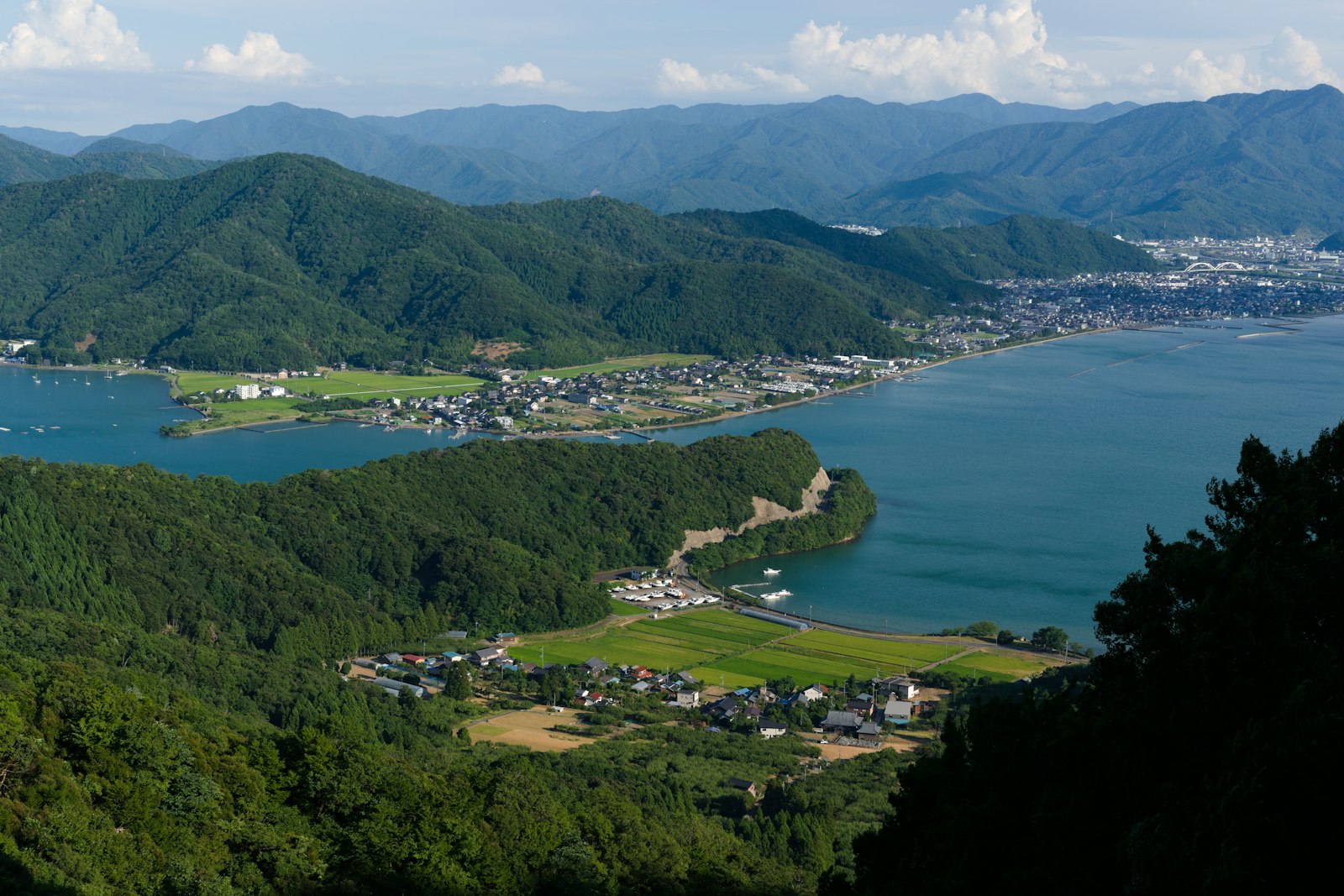
Nagahama (長浜) distillery is widely described as the smallest whisky distillery in Japan, tucked into a former craft beer brewpub on the shore of Lake Biwa in Shiga Prefecture. It uses small alembic-style pot stills imported from Portugal rather than the classic Scottish-style copper pots most Japanese distilleries favor, and it built its reputation on a “one distillation, one cask” approach that treats each individual barrel almost like a separate micro-batch. For a distillery that only started making whisky in 2016, it has picked up an unusually large number of award mentions in a short time.
What makes Nagahama distillery different
Nagahama is run by Nagahama Roman Beer, a company that has operated a craft brewery in the city of Nagahama, on the shore of Lake Biwa, since 1996, housed in a converted Edo-period rice warehouse. In 2016, the company added whisky-making to its brewing operation, installing pot stills and beginning distillation in November of that year. Its whisky brand, Amahagan, launched in 2018 — the name is simply “Nagahama” spelled backwards. For background on how a distillery this size fits into Japan’s wider whisky rules, see our guide to what counts as Japanese whisky.
Why a beer brewery decided to make whisky
Whisky was not part of Nagahama Roman Beer’s original plan. By its own account, the company had spent roughly 20 years brewing craft beer in the same converted rice warehouse before its leadership decided to add whisky — drawn, as the company puts it, to whisky’s reputation as “the water of life,” and wanting to make that appeal available to more people from its home base on the shore of Lake Biwa. The distillery began operating in November 2016, close to two decades after the original 1996 beer brewery opened on the same site.
The company is run by Ito Kei (伊藤啓), whose career before Nagahama was in liquor retail and buying rather than distilling. In a 2022 interview with Whisky Magazine Japan, Ito summarized his operating style bluntly: source what you cannot make yourself, and once something looks interesting, act on it quickly rather than plan it into the ground. That mindset shows in how the distillery grew — two stills, then a third once the operation proved itself, rather than opening at a fixed scale the way a larger, single-purpose plant typically would.
Location and history
The distillery sits a few minutes from Nagahama Station on the JR Biwako Line, on a site connected to the remains of the outer moat of Nagahama Castle, the castle built by Hashiba (later Toyotomi) Hideyoshi in the 16th century. Nagahama Roman Beer opened at this site as a craft brewery in 1996, well before Japan’s current whisky boom, and became a fixture of the local craft beer scene long before it touched whisky at all.
The move into whisky came in 2016, a year after the surge of domestic interest in Japanese whisky triggered in part by an NHK morning drama centered on the industry’s early history. Engineers trained in Scotland helped set up the new operation, and the distillery began running two small alembic pot stills sourced from Hoga in Portugal — equipment more commonly associated with brandy production than Scotch-style whisky, and a deliberate departure from the Forsyths- or Holstein-built stills used at most other Japanese distilleries. A third still was added later as the operation grew. The result is a still house nicknamed “the aranbic” by fans, after the still style’s resemblance to Arabic alembic design.
How Nagahama whisky is made
Nagahama’s defining production idea is “one distillation, one cask”: rather than blending new-make spirit from multiple stills or runs into a single large batch, the distillery fills individual casks from individual small-batch distillation runs, which several trade write-ups describe as producing roughly 200 litres of new-make spirit per run — enough for about one barrel. That scale keeps each cask distinct, which the distillery leans into by numbering and tracking individual barrels rather than treating output as one uniform house style. Beyond this, Nagahama has not published detailed figures on total cask inventory or annual output, so this guide does not attempt to estimate them.
The Hoga alembic stills themselves are also part of the story: they are smaller and less expensive than traditional Scottish-style pot stills, and favored by a number of craft-scale producers internationally for exactly that reason. Combined with the one-cask approach, this gives Nagahama’s new-make spirit a reputation for being more varied batch to batch than output from larger, more standardized distilleries, since each cask effectively represents its own small experiment.
That variability is amplified by the site’s dual identity as both a working brewery and a distillery. Nagahama Roman Beer continues to brew craft beer alongside whisky production in the same converted rice warehouse, and the company has talked publicly about experimenting with beer-adjacent techniques and cask finishes as part of its whisky program, an approach that would be harder to justify at a larger, whisky-only operation with less room for small-batch trial and error.
Because Nagahama Roman Beer had already spent two decades brewing beer in the same building, its whisky team was not starting fermentation know-how from zero. Kiyoi Takashi (清井崇), the distillery’s manufacturing division head, has said in Japanese trade interviews that beer and whisky production overlap for most of the process — milling, mashing and fermentation are effectively the same craft, diverging only once the fermented wash goes to the still. Temperature control learned from years of beer brewing carried over directly, which Kiyoi has described as making the jump into whisky less difficult than the team expected. Sharing a building has its costs, too: staff run a full day of alkaline cleaning through the fermentation tanks and pipework before each beer brew, specifically to strip out peat-smoke character left behind by peated whisky mashes. Nagahama draws on both Scottish and Shiga-grown barley across several peat levels, from unpeated to heavily peated, and its blender has described testing changes as basic as the grist’s milling ratio — moving from a standard split between husk, grits and flour toward an all-grits mix — to refine how the mash behaves on this equipment.
Small scale as a strategy, not a limitation
Nagahama’s size is central to how the distillery talks about itself, and not as an apology. The “one distillation, one cask” idea only really works at this scale: a roughly 200-litre run is the kind of batch a small, converted brewery can turn around often, filling one cask at a time rather than blending toward a single house-wide profile. Combined with several peat levels of malt and a wide range of cask types, that gives the distillery, by its own blender’s account, an unusually large number of combinations to work through — more than it could ever standardize into one fixed recipe, which is part of the point rather than a problem to solve.
The company has also used its small footprint to improvise rather than build new: maturation has made use of unconventional local spaces, including a disused elementary school building and a former tunnel, alongside more ordinary warehousing. Ito has said the distillery’s affiliated businesses let it attempt more than its size alone would suggest, running its own bottling line and building a following through an overnight, two-day distillery-tour program rather than competing purely on volume. Kiyoi and the distillery’s blender, Yaku Yusuke (屋久佑輔), have both described the house style as still being worked out release by release, five years into whisky production, rather than fixed and finished.
Lake Biwa water and a basin climate
Nagahama draws its brewing and mashing water from spring water fed by snowmelt off Mount Ibuki (伊吹山), the tallest peak in the range north of Lake Biwa — soft water of moderate hardness, by the company’s own description. The distillery sits in a basin with cold winters and hot summers and a wide swing between day and night temperatures, tempered somewhat by the lake immediately to the west, which keeps humidity comparatively stable through the year.
Yaku has connected that climate directly to a production choice: the wider seasonal swing tends to pull cask flavor out of new-make spirit faster than the milder, steadier conditions typical of Scottish warehouses, so Nagahama’s whisky tends to show pronounced wood character earlier in its life. That is part of why the distillery leans on wine casks, sherry casks and small-format finishes such as Islay-style quarter casks to build flavor deliberately, rather than simply waiting out a long, slow maturation.
None of this settles what any single Amahagan bottle tastes like, and that is not the point here. What the record shows is a small brewery that took on whisky deliberately, built its process by adapting equipment it already understood, and has stayed open about still refining its house style rather than claiming one prematurely — and the fact that each numbered Amahagan release marks an identifiable step in that process, rather than an anonymous batch, is arguably more useful to a buyer than a marketing description of flavor.
Main Nagahama and Amahagan bottles to know
Amahagan is Nagahama’s flagship blended and blended malt brand and the release most likely to reach international buyers, though the distillery also sells single-cask bottlings direct to visitors and through its barrel-ageing program. The table below covers the releases most relevant to readers outside Japan.
The Amahagan name is a deliberate anagram of Nagahama, and the company has treated that reversal as intentional rather than decorative: because Amahagan blends in whisky sourced from outside the distillery alongside Nagahama’s own malt, calling it a “Nagahama” whisky outright would overstate how much of the liquid the site actually distilled itself. The numbered World Malt Edition series is Nagahama’s way of building a track record release by release — Kiyoi and Yaku have both said in interviews that settling on a fixed Nagahama house style is a project still in progress, with each numbered edition acting as a checkpoint along the way rather than a finished statement.
| Bottle | Style | Notes | International availability |
|---|---|---|---|
| Amahagan World Malt Edition series | Blended malt whisky | Numbered editions; No. 3 Mizunara Wood Finish won a category award at the World Whiskies Awards 2020 | Moderate; specialist retailers |
| Amahagan Edition Peated | Peated blended malt | Silver medal, World Whiskies Awards 2022 | Moderate; specialist retailers |
| Nagahama single cask releases | Single malt, single cask | Sold under the “one distillation, one cask” program | Very limited; mostly Japan-based sales and auctions |
The Amahagan series is where Nagahama has built its international reputation, with several numbered editions picking up medals at the World Whiskies Awards within just a few years of the distillery’s founding. Single-cask Nagahama releases, by contrast, are produced in far smaller numbers and are harder to source outside Japan, and they tend to circulate mainly among visitors who buy directly at the distillery or collectors following Japanese auction listings.
Visiting Nagahama distillery
Nagahama is a genuinely accessible stop for visitors, sitting only a few minutes’ walk from Nagahama Station on the JR Biwako Line, which makes it a realistic day trip from Kyoto or Osaka rather than a remote pilgrimage. Guided tours typically run 60 to 90 minutes and cover the full process from mashing and fermentation through to the Hoga alembic stills and maturation, usually finishing with tastings that can include limited or exclusive releases not sold through retail. Because the site began life as a brewpub, it still operates a restaurant serving local Omi-region cuisine alongside its beer and whisky, and visitor reports single out the food as worth building a stop around in its own right.
Reservations are generally recommended, especially in busier travel seasons, and some visitor accounts note that tours work best for guests who can follow at least some Japanese-language explanation, though English handouts and some English-speaking guidance have also been reported. Given the walkable station access and on-site dining, Nagahama is one of the more straightforward distillery visits to combine with a wider Lake Biwa or Kansai itinerary.
Can you find Nagahama or Amahagan whisky outside Japan?
Amahagan is the more realistic target for international buyers. Its blended malt editions have been picked up by specialist whisky retailers in the UK, EU, and Australia, helped along by the World Whiskies Awards recognition several editions have received. The single-cask, distillery-only releases are a different matter: production is small enough that most of it is sold directly in Japan or through auction, so overseas buyers should expect to rely mainly on the numbered Amahagan editions rather than the rarer single-cask bottlings. Our guides on where to buy Japanese whisky in the UK and where to buy Japanese whisky in the US outline the retailer types most likely to carry Amahagan as it appears in each market.
Readers weighing Amahagan against other blended malt options from newer distilleries may also find it useful to read our explainer on what “World Blended” means on a Japanese label, since the category covers a wide range of approaches to sourcing and blending malt whisky. As with most young Japanese distilleries, stock levels for any given Amahagan edition can shift quickly once a batch sells through, so buyers who find a specific numbered release in stock should not assume it will still be available a few months later.
Frequently asked questions
Q: Is Nagahama really the smallest whisky distillery in Japan?
A: It is widely described that way in trade coverage, largely because of its compact still house and small per-batch output, built inside an existing craft beer brewery rather than a purpose-built whisky plant. There is no official government ranking of distillery size, but Nagahama’s scale and equipment are consistently cited as among the smallest of Japan’s current whisky producers.
Q: What does “Amahagan” mean?
A: Amahagan is simply “Nagahama” read backwards. It is the name Nagahama distillery gave to its flagship blended malt whisky brand when the range launched in 2018, and it remains the label most likely to be found by buyers outside Japan.
Q: What is unusual about Nagahama’s stills?
A: Nagahama uses small alembic-style pot stills built by Hoga in Portugal, equipment more commonly associated with brandy production than Scotch-style whisky. This is a deliberate departure from the Forsyths- or German-built stills common at most other Japanese distilleries, and it ties into the distillery’s small-batch, single-cask production style.
Q: What does “one distillation, one cask” mean?
A: It refers to Nagahama’s practice of filling an individual cask from a single small distillation run rather than pooling spirit from multiple runs into a larger batch. Several trade write-ups put a typical run at around 200 litres of new-make spirit, roughly enough for one barrel, which keeps individual casks distinct from one another.
Sources
- Nagahama Roman Beer — company overview (Japanese)
- Nagahama Roman Beer — whisky business (Japanese)
- LIQUL — Japanese craft whisky today, Vol. 2: Nagahama distillery, part 1 (Japanese)
- LIQUL — Japanese craft whisky today, Vol. 2: Nagahama distillery, part 2 (Japanese)
- Whisky Magazine Japan — what makes Nagahama distillery remarkable today (Japanese)
- JWIC — Nagahama distillery profile (Japanese)
- Nagahama Distillery: Chasing Casks’ Uniqueness — Nomunication
- Nagahama Whisky — Uisuki
- Nagahama Distillery — Whisky.com
Leave a Reply