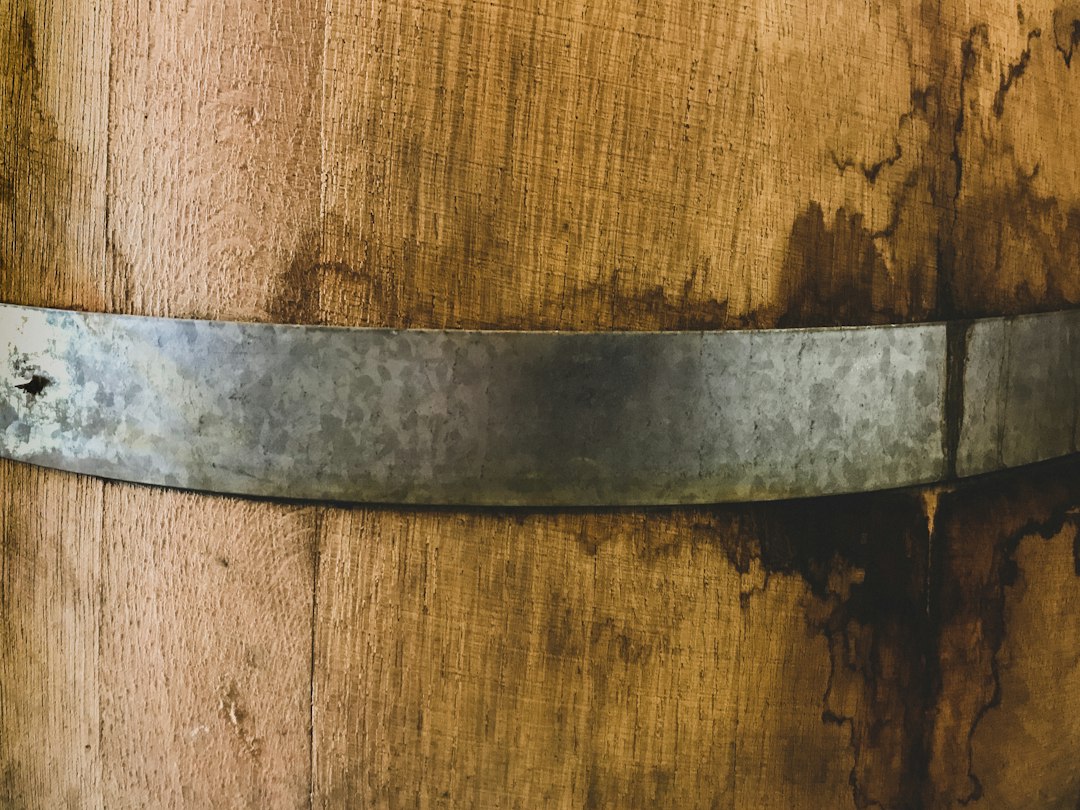
Four casks of new spirit from Ikawa Distillery (井川蒸溜所) are now aging inside a working dam. On November 18, 2026, the distillery’s operator Juzan (十山), the town of Kawanehon (川根本町) and the Nagashima Dam (長島ダム) management office of the Ministry of Land, Infrastructure, Transport and Tourism’s Chubu Regional Development Bureau moved the casks into the dam on the Oi River (大井川) in Shizuoka Prefecture. Local broadcasters and newspapers report that the plan is to leave them there for three years, the legal minimum for Japanese whisky, and then turn the result into a product that draws visitors to the river valley. It is the first time a dam run directly by the Chubu bureau has been used for whisky.
The project matters beyond the novelty. Ikawa is the highest whisky distillery in Japan, at about 1,200 meters in the Southern Alps, and its owner has already said it is working toward a 12-year-old. A low-altitude, temperature-stable dam gives it a second, very different place to mature the same spirit.
What went into the dam
The casks hold spirit distilled at Ikawa with water from the Southern Alps and filled into wood in September 2026. Each is a 200-liter cask, and TV Shizuoka (テレビ静岡) put the filled weight at about 200 kg apiece. According to the Chunichi Shimbun (中日新聞), the four were placed across three kinds of space: a room inside the dam, a connecting walkway, and a tunnel built for the dam’s construction that is no longer in use. The idea is to compare how the same spirit changes under different temperature and humidity conditions.
Shizuoka Asahi TV (静岡朝日テレビ) reported that the casks sit in four spots and that two of them can be seen by visitors who book ahead. The reports did not say how to make a booking or what a visit costs. The same report noted that the Chubu bureau already ages sake at three of its dams, and that this is its first whisky. The Shizuoka Shimbun (静岡新聞) said the bureau itself proposed the project, as part of a push to make better use of resources along the Oi River basin.
A Juzan staff member told TV Shizuoka that no two aging environments are the same, that the company honestly does not know how the spirit will turn out, and that it is looking forward to finding out in a few years. A dam office representative told Shizuoka Asahi TV that the hope is for more people to come to Kawanehon and the dam because of the whisky. No price, bottle count or release date has been announced. Three years from the September filling points to 2029 at the earliest.
Why this matters
The most useful way to read this project is as a maturation experiment, not a gimmick. Ikawa’s home warehouse sits in a cold, damp, foggy valley where winter nights fall to around minus 15°C and the air pressure is low. The company also ages some stock in a smaller “Mountain Cask” warehouse even higher up, as we noted in our report on its Dessin Series Flora 2026 release. A concrete dam far down the valley offers the opposite: stable temperature and humidity through the year. Placing identical spirit in all of these sites lets Juzan see how much of its flavor comes from place rather than from the still.
That question sits at the center of Japanese whisky right now. As we explain in our guide to how Japan’s climate shapes maturation, the size of the temperature swing matters more than the average. A site that barely changes through the year should slow down the “breathing” of the cask, the in-and-out movement of spirit through the wood that drives extraction. Whether that yields a gentler three-year-old or simply a less developed one is exactly what the project is meant to find out.
Ikawa is not the first Japanese producer to go underground. Togouchi (戸河内) ages its whisky in a 360-meter disused railway tunnel in Hiroshima Prefecture, and the town of Shimoda (下田) has started sinking bottles in the sea as a festival attraction. What is different here is the partner. A national infrastructure office is lending space inside a dam to a private distiller, with a small town brokering the deal, because all three want visitors in a remote mountain valley. Expect more of these public-private aging sites as craft distilleries and rural towns look for reasons to bring people in.
For readers outside Japan
There is nothing to buy yet, and nothing has been said about export. Even when the dam-aged whisky is bottled, four casks can only fill a small number of bottles, and the stated goal is tourism, which suggests local sales are more likely than export, though nothing has been confirmed. If you want to try Ikawa’s spirit now, the realistic route is a whisky bar in Tokyo or Shizuoka, or a bottle bought in Japan. Our guide to what counts as Japanese whisky explains why the three-year minimum shapes the timing of releases like this one.
If you are planning a trip, the dam is the easier half of the Ikawa story to reach. Nagashima Dam lies on the Oi River in Kawanehon, and it has its own station on the Oigawa Railway (大井川鐵道) Ikawa Line, the line known for Japan’s only rack-railway section. Check the line’s current operating status before you go. The distillery itself sits at the end of a long forest road and is far harder to visit. Booking details for the dam viewing have not been published in English or Japanese, so contact Kawanehon town or the dam office before you travel. Our guide to booking Japanese distillery visits covers how reservations usually work, and the nearby Shizuoka Distillery is an easier stop on the same trip.
Source: Chunichi Shimbun (Japanese); additional reporting from TV Shizuoka (Japanese), Shizuoka Asahi TV LOOK (Japanese) and Shizuoka Shimbun (Japanese)