Kuju (久住), the only dedicated whisky distillery in Oita (大分) Prefecture, has put out a whisky made for one job: the highball. Kuju Distillery Malt & Grain went on sale on Friday, September 18, 2026, at liquor stores inside Oita, at a suggested 3,500 yen before tax, or 3,850 yen including tax (around $26 or £19), for a 700ml bottle. It is bottled at 46% ABV. Sales are limited to the prefecture, and Nikkei reported a production run of about 5,000 bottles.
The release is a deliberate turn away from the way young Japanese distilleries usually build a name. Kuju’s single malts sell for 13,000 yen and up; its first single malt, Kuju THE FIRST, is a 58% cask-strength bottling at 16,720 yen. Malt & Grain is the opposite proposition: a blend of the distillery’s malt spirit with grain whisky, priced so that people in Oita can drink it regularly. In its release, the distillery says it kept hearing from local drinkers that its single malts and blended malts were too expensive to buy often, and that blending in grain whisky was how it brought the cost down.
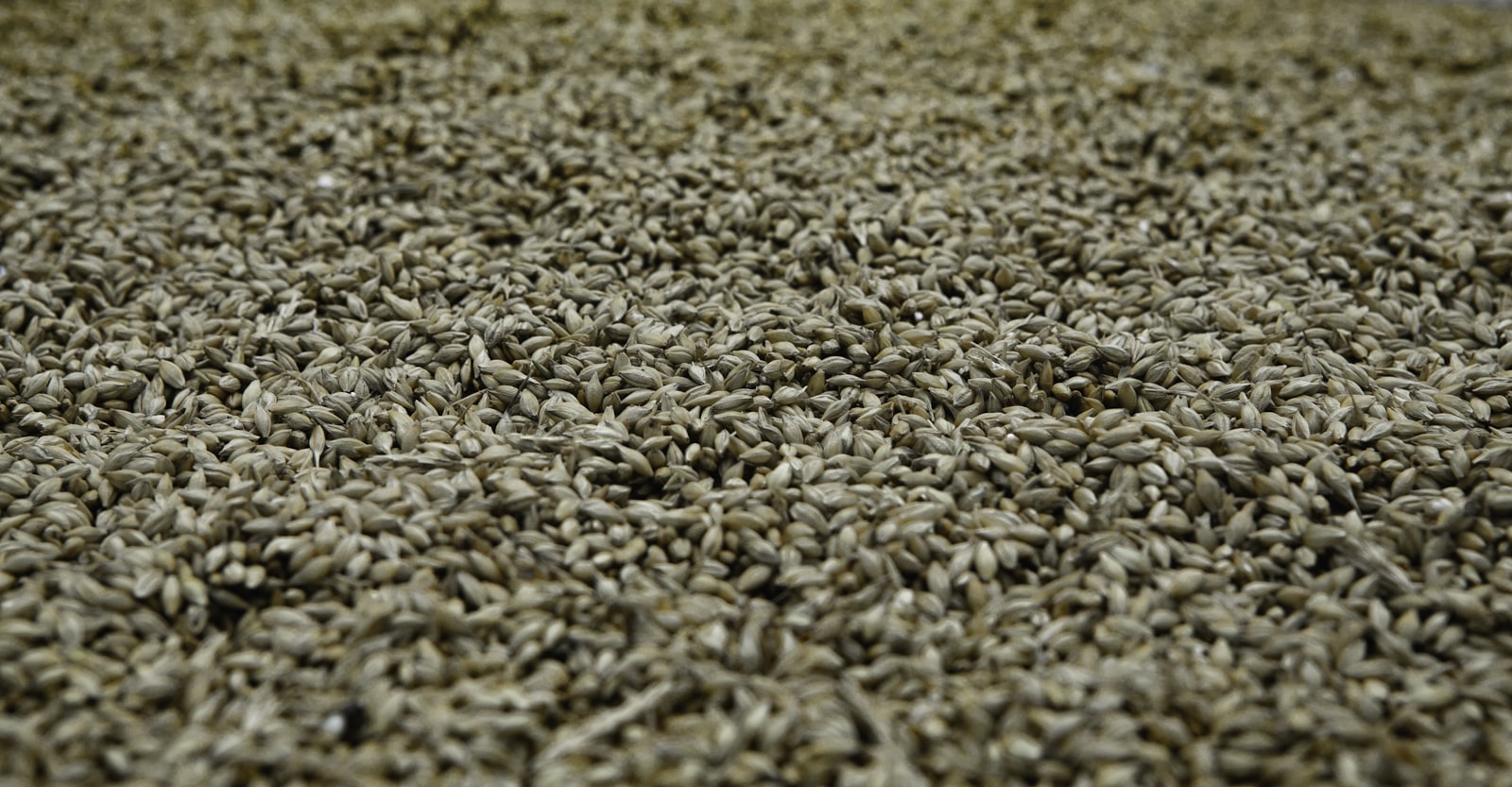
It is also Kuju’s first bottling to use barley grown in Oita. A small share of the malt spirit was distilled from barley raised by Green Hojin Nakano, a contract farm in Kiyokawa, Bungo-ono (豊後大野), that works land in an aging farming district. Production manager and blender Takeishi (武石裕) says the whisky was designed to stay easy to drink across a long session, crisp with soda and carrying faint floral notes, and to sit next to fried local dishes such as karaage and toriten. That is the blender’s description of the target, not a tasting by this site. The distillery is marketing the bottle as “Oita’s highball.”
The release at a glance
| Name | Kuju Distillery Malt & Grain (久住蒸溜所モルト&グレーン) |
| Style | Blended whisky (Kuju malt plus grain whisky) |
| Strength / size | 46% ABV / 700ml |
| Price | 3,500 yen before tax (3,850 yen with tax) |
| Release | September 18, 2026 |
| Where sold | Oita Prefecture only |
| Run | About 5,000 bottles (per Nikkei) |
To launch it, Kuju ran trade-only tasting sessions in three Oita towns: at Bar Criadera in Oita city on September 30, Bar Barolo in Yufuin on October 5 and Bar Route10 in Beppu on October 15, each opening with a seminar by Takeishi. The bottle is aimed at bar counters and local shops, not collectors.
The distillery
Kuju sits at about 600 meters in the Kuju highlands, on the edge of Aso-Kuju National Park, on the site of the Kobayakawa sake brewery, which closed in 1989. Founder Shoji Utoda (宇戸田祥自) grew up in the town and ran whisky sales at his family’s liquor business, Tsuzaki Shoji, before deciding to distill. He trained at Chichibu (秦父) from 2017 and at Mars Tsunuki (津貫) from 2018. COVID-19 kept Forsyths’ Scottish team away, so a Japanese contractor installed the stills. The first distillation ran on February 27, 2021.
The setup is small. There are two straight-necked Forsyths pot stills, a 2,500-liter wash still and a 1,800-liter spirit still, heated by indirect steam. Kuju itself says the small spirit still gives a heavier-bodied spirit. Mashes are 500kg, fermented for four days in five Douglas fir washbacks; the distillery switched entirely to wood in August 2022 to encourage lactic fermentation. Most malt is imported, and the distillery says about a tenth of its barley now comes from contract growers in the prefecture. Maturation is mainly in ex-bourbon barrels, across three warehouses, the first of them the old brewery cellar.
Why this matters
Many of Japan’s newer craft distilleries have followed the same path: release a new make, then a three-year single malt, then a run of limited single casks, almost all priced for enthusiasts. That builds a name among collectors but few customers at home. Kuju’s release is an open admission of that gap. Its own explanation is that local drinkers found the single malts too expensive, so it built a cheaper product around the drink most Japanese people actually order in a bar, the highball.
The economics depend on grain whisky. As Kuju’s launch note explains, grain spirit is made from corn or wheat in continuous column stills, is milder than malt and costs far less to produce, which is why it forms the base of most blends (our grain whisky explainer covers the style). Kuju does not run a column still, so the grain is bought in. That is normal for a small distillery, but it is why the label wording matters.
Kuju is not alone in this shift. Yuza’s Special Blend and Saburomaru’s SAB. range are recent examples of craft producers adding a lower-priced, mixable bottle under their single malts. The other half of the story is the barley. A tenth of the grist from prefecture-grown barley is small, but the farm’s owners say in the release that they now grow barley “for whisky” rather than as a sideline to rice, and Kuju calls the partnership part of protecting the area’s farmland. Local barley is a selling point that larger Japanese distilleries, almost all running on imported malt, find hard to copy.
For readers outside Japan
This is a bottle to note rather than to hunt down. Sales are restricted to Oita, Kuju has no retail export program, and a few thousand bottles will be hard to find even in Tokyo. The realistic way to try it is to visit Oita: the launch tastings in Beppu and Yufuin show the bottle is meant for the prefecture’s bars, and the distillery itself is up in the Kuju highlands in Taketa city. Kuju’s shop is open on set business days, and its site says guided tours are still being prepared, so check the calendar before going.
Kuju’s only route abroad so far is in the air. A single malt, Single Malt Kuju JAL EXCLUSIVE 2026, is sold on Japan Airlines international flights, and JAL ran a miles campaign this summer to send passengers to the distillery. At home, the distillery has released two shop-only single casks this year under its Distillery Exclusive label, and is taking applications for about ten first-fill bourbon barrels in its second owner’s-cask program, priced at 1,925,000 yen each and to be filled in October and November 2026.
One label note for buyers who do find a bottle. Kuju has not called Malt & Grain a “Japanese whisky,” and the release does not state where the grain whisky was made. It is best read as a blended whisky rather than a bottle that meets the 2021 industry standard for “Japanese whisky,” which requires everything to be distilled and aged in Japan.
Sources: Kuju Distillery release, Sept 4, 2026 (Japanese/English); Kuju Distillery launch-day notice, Sept 18, 2026 (Japanese/English); Kuju product page: Malt & Grain (Japanese); Kuju Distillery: equipment and history (Japanese/English); Kuju Distillery: our story (Japanese/English); Kuju Distillery: JAL Wellness & Travel campaign (Japanese/English); Kuju Distillery: second-term owner’s cask (Japanese); Nikkei, Sept 7, 2026 (Japanese)