Kanosuke (嘉之助), the coastal single malt distillery in Kagoshima (鹿児島), will open its site to the public on Sunday, October 25, 2026, for its annual distillery festival. The event, held jointly with its parent shochu maker’s Hioki Distillery (日置蒸溜蔵), runs from 10:00 to 16:00, and entry is free. It matters for collectors because the day brings a hand-fill single cask at 58% ABV, a festival-only single malt and bottles the distillery does not normally sell on site.
The full name is the Hioki and Kanosuke Distillery Festival 2026, subtitled the Hioki Distilled Spirits Trail (日置・嘉之助 蒸溜祭 2026). Visitors move between two venues in Hioki (日置) city, west of Kagoshima city. The organizers are Komasa Jozo (小正醸造), a shochu house with roughly 140 years of history, and its whisky arm, Komasa Kanosuke Distillery. Both venues pour one free drink per visitor, and the festival goes ahead in light rain.
What is on at each site
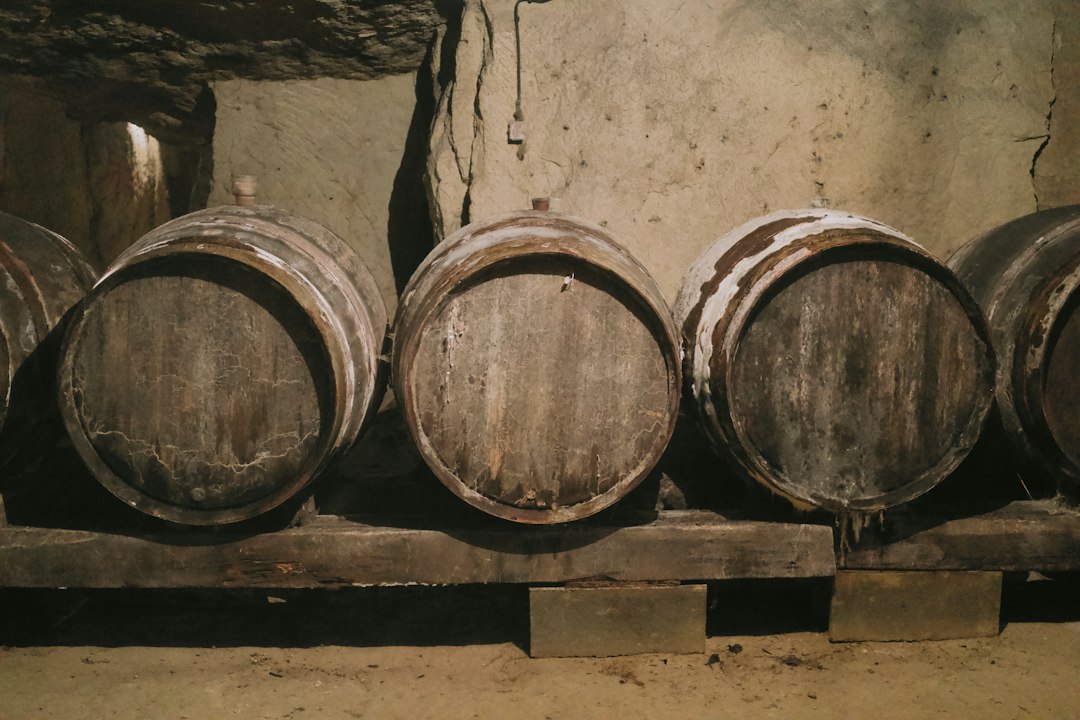
At Kanosuke, the production area of the visitor center is open free all day. That area is normally seen only on a paid tour. It holds the distillery’s three differently shaped pot stills and fermenters designed to echo a shochu brewery. The company is also opening its Legacy warehouse (レガシー熟成庫) on timed free tours. This semi-underground store was built in the 1970s by Kanosuke Komasa, the second-generation head of the family, and is usually closed to visitors.
The headline release is the festival hand-fill. Visitors draw their own 200ml bottle from a single cask of whisky aged 37 months in a bourbon barrel, then finished for eight months in a cask that held Carcavelos. That is a rare fortified wine from near Lisbon. Total maturation is 45 months, the strength is 58% ABV, and the price is 6,050 yen including tax, with a limit of two bottles per person. Our guide to single cask labels explains how to read a bottling like this.
The festival single malt for 2026 combines re-charred casks with Madeira wine casks. The 700ml bottle costs 16,500 yen, and it is sold only by lottery. Entries must be made in person at the Kanosuke shop by scanning an in-store QR code, between October 11 and 16:00 on October 25. Winners will be notified on November 1, must pay by November 6, and bottles ship from mid-November. A new 200ml mini of the same release costs 4,950 yen, with a limit of one per person, and goes on sale on the day with numbered tickets.
The shop will also stock a limited number of duty-free-exclusive bottlings and Artist Edition releases, which Kanosuke says it does not usually sell at the distillery. A Yamato delivery counter will be on site. Other events include two cask-charring demonstrations and a talk on casks with the cooper Ariake Sangyo (有明産業). Kanosuke’s paid seminars, led by master blender Yoshitsugu Komasa (小正芳嗣) and his production team, sold tickets only until October 16.
At Hioki Distillery, visitors can see the shochu and grain whisky equipment and the hand-worked shochu cellar. The free pour there covers new-season shochu, Komasa Gin, the new Komasa Rum and liqueurs. Hioki is running its first hand-fill as well, a 200ml sweet potato shochu at 25% ABV for 1,650 yen.
Why this matters
Japanese craft distillers increasingly treat the open day as a sales channel, not just a party. Kanosuke’s festival bottles reward the trip itself. The 700ml lottery is open only to people who walk into the shop, and the hand-fill cannot be shipped. Scarcity is tied to the visit, not to an online queue. Yamaga’s November festival follows a similar logic, and Saburomaru’s record 45,000 visitors show how far distillery tourism has come.
The cask choice also says something about Kanosuke. The distillery made its name with whisky aged in casks that once held its own shochu, and it keeps experimenting with finishes. Carcavelos is an unusual choice. The wine is made in very small volumes, Kanosuke describes the cask as rare, and the company reserved it for the festival rather than a national release. If you want the background on finishing casks, see our guide to Japanese whisky cask types.
Finally, the festival is a showcase for the two-site model behind the brand. Komasa Jozo is a shochu company first, and Hioki Distillery makes grain whisky alongside shochu, gin and rum. Opening both sites on one day presents Kagoshima as a place where shochu skills feed whisky. That is the pitch of the Kagoshima Whisky Trail, the six-member council Kanosuke joined this year to promote the region abroad.
For readers outside Japan
You can attend. Entry is free and no booking is needed to get in. The nearest station is Ijuin (伊集院) on the JR Kagoshima Main Line, a short local train ride from Kagoshima-Chuo. A free shuttle bus runs from the station to Kanosuke, and a free loop bus links the two sites.
Plan around what is still open to you. The pre-event lotteries for the hand-fill and the mini closed in September, and seminar sales have ended. On the day, the hand-fill is sold first come, first served, with reception from 9:30 to 14:30, and the mini is sold with numbered tickets. Payment options for the hand-fill include cash and credit cards.
The 700ml lottery is harder for travelers. Kanosuke ships winning bottles from mid-November, and the festival page does not mention international delivery, so assume you will need an address in Japan. Anything you buy on the day goes home in your luggage. Check your country’s duty-free alcohol allowance before you fly. The hand-fill’s 200ml size helps.
If you cannot travel, Kanosuke’s core single malts are sold in the United States, Britain and parts of Europe. Our guides to buying Japanese whisky in the US and the UK cover the main retailers. Kanosuke’s newest everyday bottling is covered in our Mellow Blend report. The company has announced no export plans for any of the festival bottles.
Source: Kanosuke Distillery, festival 2026 page (Japanese); Japanese Whisky Dictionary (Japanese)