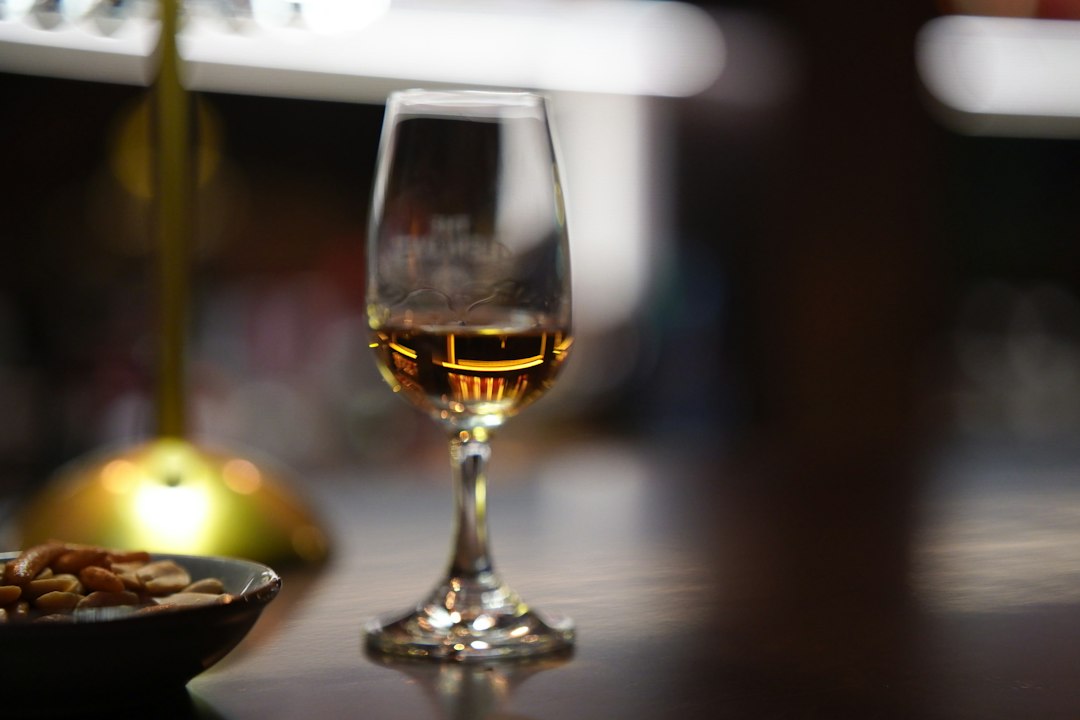
Suntory will take its Hibiki (響) blended whisky out of the bottle and into a public square in Tokyo for one night on October 31, 2026. Called HIBIKI in RESONANCE, the free installation is part of Roppongi Art Night 2026 and runs from 5:00 p.m. to 3:00 a.m. at the Oyane Plaza (大屋根プラザ) of Roppongi Hills. Alongside a walk-in screen space modeled on the brand’s 24-faceted bottle, the bar will pour a flight of three of the component whiskies that go into Hibiki, plus measures of Hibiki 21 and Hibiki 30 Year Old. For visitors in Tokyo that weekend, it is a rare chance to taste parts of a blend that Suntory normally shows only as the finished whole.
The installation centers on giant screens arranged to echo the Hibiki bottle, whose 24 facets represent the 24 sekki (二十四節気), the traditional solar terms that divide the Japanese year into finer seasons than spring, summer, autumn and winter. Inside, visitors stand among shifting projections of light, sky and landscape. From outside, the silhouettes of the people inside appear as shadows on the screens. Suntory frames the theme as “resonating with people and nature,” a line that runs through the brand’s marketing.
The drinks list is short and specific, and all prices include tax. Hibiki Japanese Harmony is 800 yen (about $5) per 30ml, served as a sparkling serve, highball, mizuwari with water, or straight. A rocks serve with a logo-stamped round ice ball is 1,000 yen. The headline item is a 1,800-yen flight of three 20ml pours: Japanese Harmony alongside three of the individual whiskies that make it up, chosen by Suntory as the most distinctive of the dozens of components in the blend. Hibiki 21 Year Old is 5,000 yen (about $33) for 30ml and Hibiki 30 Year Old is 30,000 yen (about $200) for 30ml. Both are limited in quantity and served first come, first served. Entry is free, and the event follows Japan’s legal drinking age of 20.
The release does not name the three component whiskies or say which distillery each comes from. It confirms only that every component of Hibiki is made at Suntory’s three distilleries: Yamazaki (山崎), Hakushu (白州) and the Chita (知多) grain distillery.
Why this matters
Hibiki was launched in 1989 as the top of Suntory’s whisky range, and its reputation abroad was built largely on aged expressions. The best known, Hibiki 17, was suspended in 2018 when Suntory ran short of 17-year-old stock, as our Hibiki Harmony guide explains. Since then the brand has leaned on the no-age-statement Japanese Harmony for volume, with the 21 and 30 Year Old released in small quantities at prices that put them out of reach for most drinkers. An event that pours both by the 30ml measure makes the top of the range accessible in a way a retail allocation does not.
The component flight is the more telling detail. Japanese blenders have long been guarded about the parts that make up their blends. Unlike some Scotch houses, Japan’s big producers rarely trade whisky with each other, so Suntory blends only from its own three distilleries and builds a wide range of styles in-house. Our guide to Japanese grain whisky covers why Chita’s output matters as much as the malts. Letting the public taste a few of those parts side by side makes the blender’s work visible. It fits a wider move by Suntory to sell the story behind the liquid rather than more liquid, at a time when aged stock is still tight, as covered in our explainer on the Japanese whisky shortage.
The packaging story carries over too. Suntory notes that Hibiki’s label is made from Echizen washi (越前和紙) paper by washi artist Eriko Horiki (堀木エリ子). Japanese craft materials on the label are becoming a common theme. This week Matsui Shuzo’s 2027 zodiac bottles used a Kiryu-ori woven label in the same way.
For readers outside Japan
This is a one-night, in-person event, so it only helps readers who will be in Tokyo on Saturday, October 31. If that is you, Roppongi Hills is a short walk from Roppongi Station on the Hibiya and Oedo subway lines. The bar stays open until 3:00 a.m., but the 21 and 30 Year Old pours are limited and first come, first served, so arriving early is the safer plan. Expect crowds. Roppongi Art Night draws large numbers, and the date is also Halloween.
For everyone else, the core bottles are easy to find. Hibiki Japanese Harmony is exported widely and sold at major retailers in the US and UK. Our guides to buying Japanese whisky in the US and in the UK list reliable sources. The 21 and 30 Year Old are allocated releases abroad as well, and prices vary widely. If you are flying out of Japan, our guide to Japanese whisky at Narita duty free covers what tends to be stocked. You cannot buy the component flight anywhere, but you can build a rough version at home by pouring Japanese Harmony next to single malts from Yamazaki and Hakushu, the two malt distilleries named in Suntory’s description of the blend. Our Hibiki hub page collects all our coverage of the brand.
Source: Suntory via PR TIMES (Japanese)