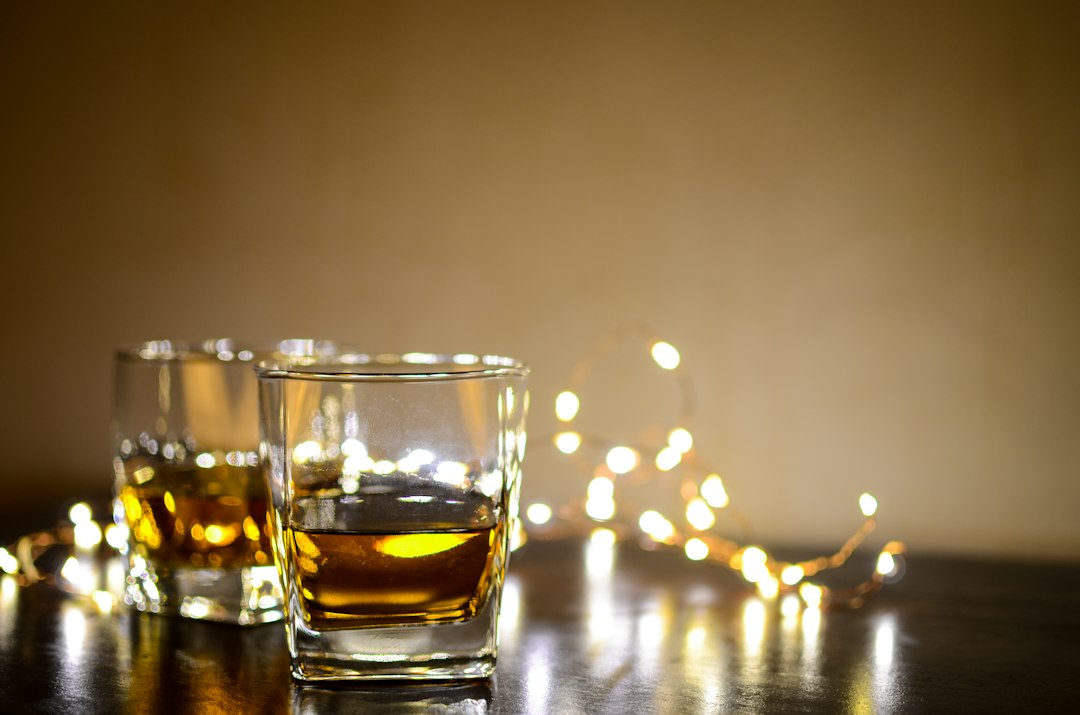
Snow Peak (スノーピーク), the Niigata-based outdoor gear maker with an international following among campers, will release two campfire-themed whiskies made by Nagahama distillery (長濱蒸溜所) on October 3, 2026. Named OKIBI and TAKIBI World Blended Whisky 2026, each is limited to 2,100 bottles and sold only at Snow Peak’s directly operated stores in Japan. The release, timed to the brand’s autumn Setsuhosai (雪峰祭) event, is the second year of the partnership, and it is a useful case study in how Japan’s “world blended” label works on a product aimed at people who may not read whisky labels closely.
Both bottles are 700ml and priced at 8,800 yen including tax, roughly $60 at current exchange rates. Snow Peak announced the launch on September 28, 2026, through PR TIMES. Product planning and sales are handled by Snow Peak Local Foods, a subsidiary the company set up in 2022 to build a food business around regional producers, starting with its home region of Niigata.
Two bottles, two kinds of fire
The pair is built around the difference between a fire’s embers and its flames. OKIBI (熾火), a word for glowing embers, is the softer of the two. According to Snow Peak, it centers on Nagahama spirit aged in red wine casks and sherry casks, with smoke kept in the background so the malt and the fruit-driven cask character lead. The company pitches it as a bottle for the end of the evening, alongside dessert or a hot drink by a dying fire.
TAKIBI (焚火), meaning campfire, uses OKIBI as its base and adds a small amount of what the release calls “Islay cask peated” spirit. Snow Peak describes the goal as a heavier body and a light smoky finish meant to evoke a fire at full burn. Neither description comes from our own tasting; both bottles had not reached stores at the time of writing. The release does not give an ABV, an age statement, or a breakdown of where each component was distilled.
Snow Peak is also selling three logo-engraved glasses to go with the launch: a tasting glass at 3,300 yen, a tumbler at 2,970 yen, and a rocks glass at 8,800 yen. The company notes that the glassware is not part of the collaboration with Nagahama, and that none of these items will be sold at the distillery itself. Two Snow Peak locations, the Kyoto Takashimaya store and Aburayama Fukuoka, are excluded from the launch.
Why this matters
Nagahama is one of the smallest whisky distilleries in Japan. It sits inside the Nagahama Roman Beer brewpub on the shore of Lake Biwa (琵琶湖) in Shiga Prefecture, began distilling in November 2016, and works with unusual small pot stills under a “one brew, one cask” philosophy. A distillery that size cannot supply thousands of bottles of aged single malt for a partner project, and this is where blending comes in. Nagahama’s own Amahagan brand built its reputation by marrying its spirit with imported malt, and the TAKIBI and OKIBI bottlings follow the same logic for a larger, non-specialist audience.
The words “World Blended” on the label are the important part. Under the industry’s Japanese whisky labeling standard, only whisky distilled and aged for at least three years in Japan can be called “Japanese whisky.” Producers who blend in spirit from elsewhere increasingly use “world blended” or similar terms to signal that. As we explain in our guide to world blended whisky, the term is a disclosure rather than a quality grade: some of the best-regarded bottles from Japan carry it. Snow Peak and Nagahama are using the label correctly, and that is worth noting in a market where lifestyle brands sometimes sell whisky on image alone.
The project also reflects a wider trend. Japanese craft distilleries increasingly rely on collaborations with retailers, hotels and consumer brands to reach new drinkers, from this month’s Tokyu Hotels blended malt from Mars to independent single cask bottlings such as Cask & Forest’s Nagahama release. For a distillery as small as Nagahama, these partnerships bring brand exposure that its own output could never generate.
For readers outside Japan
Neither whisky has been announced for export, and the release lists only Snow Peak’s directly operated stores in Japan. Snow Peak also runs stores in other markets, but there is no indication that these bottles will be sold there, so do not expect to find them at a Snow Peak shop outside Japan. With 2,100 bottles of each, they may sell through quickly around the Setsuhosai weekend.
If you are in Japan this autumn, a Snow Peak store is the place to look, and the glassware can travel home even if the whisky does not. If you are buying from abroad, a proxy shopping service is the main route, though shipping alcohol internationally is restricted or banned in some countries, including the United States. Our guide to importing Japanese whisky from Japan covers what is realistic.
The easier alternative is Nagahama’s own Amahagan World Malt range, which appears regularly at UK and European whisky specialists and shares the same blending approach. For the distillery’s more experimental single malts, see our coverage of The Ninth Batch.
Source: PR TIMES (Japanese); Japanese Whisky Dictionary (Japanese)