Nagahama (長浜), often described as the smallest whisky distillery in Japan, will release the ninth edition of its experimental single malt series, Single Malt Nagahama The Ninth Batch, on September 15, 2026. The bottling is limited to 5,700 bottles at 50% ABV in 500ml format, priced at 11,000 yen before tax.
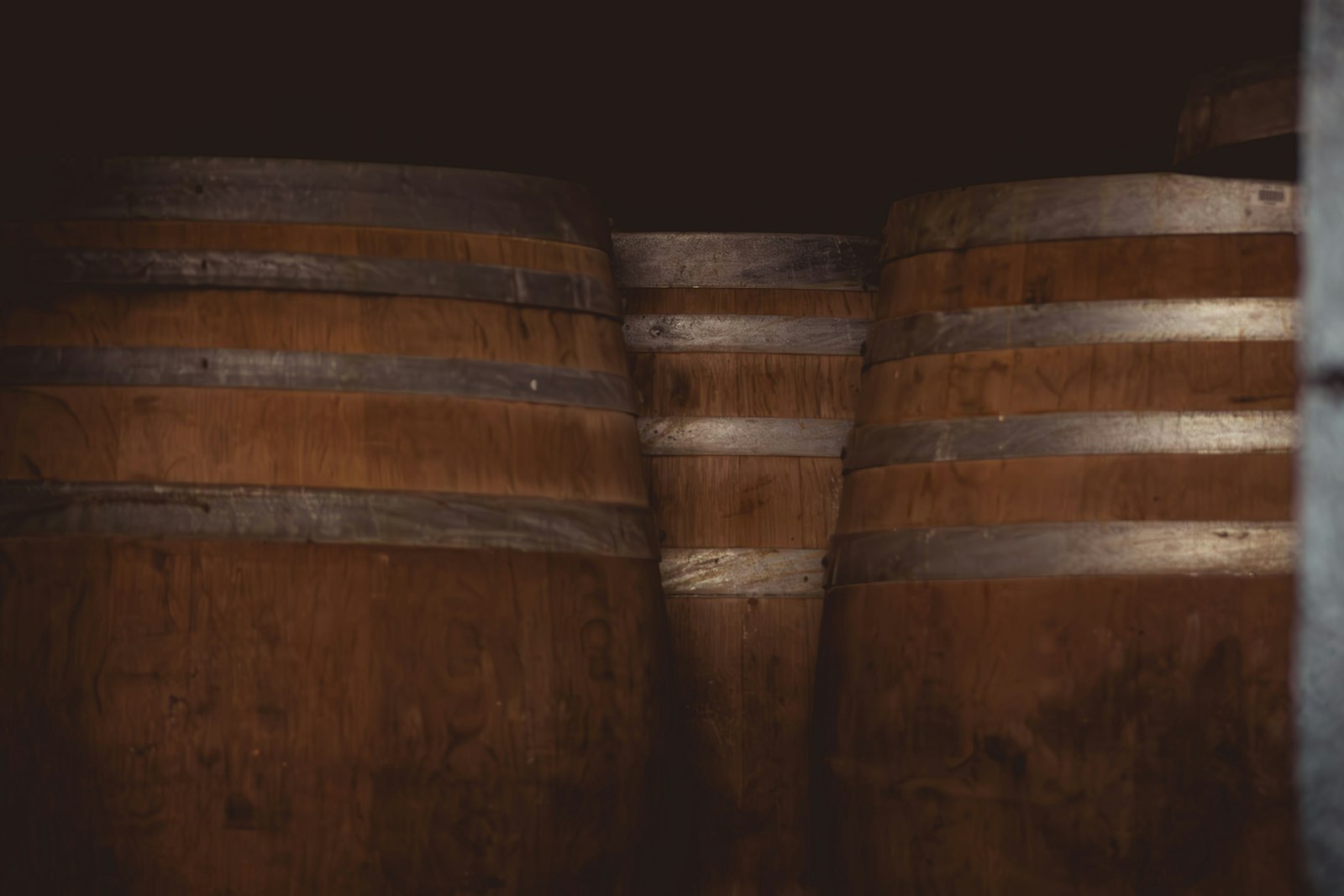
The Batch series is built entirely from whisky distilled at Nagahama, with each release combining a different set of casks. For The Ninth Batch, the distillery says the core is spirit matured in wine casks, layered with sherry-cask whisky for weight, a portion of peated Nagahama spirit aged in ex-Islay quarter casks for smoke, and a finishing period in Japanese cherry-wood (sakura) casks. Nagahama has given the release the theme “purple haze” and calls it its most complex vatting so far.
Nagahama occupies a converted craft-beer brewpub on the shore of Lake Biwa in Shiga Prefecture. Nagahama Roman Beer, the parent company, brewed beer on the site for two decades before installing small alembic-style pot stills and beginning whisky distillation in November 2016. Its main brand, Amahagan — “Nagahama” spelled backwards — blends imported malt with Nagahama’s own spirit, and won several World Whisky Awards after its 2018 launch. The Batch series is the all-Nagahama counterpart to that range, used to test unusual cask combinations; the eighth edition, for instance, used amburana wood more often seen in Brazilian cachaca. Our Nagahama distillery guide covers the site’s history in more detail, and our explainer on what counts as Japanese whisky sets out the labelling rules a single malt like this has to meet.
Why this matters beyond Japan
For readers outside Japan, the Amahagan World Malt bottlings are the easiest way in, and turn up regularly at UK and European specialists. The Single Malt Nagahama Batch releases are harder to reach: small runs, quick to sell out at home, and rarely set aside for export. At 5,700 bottles, The Ninth Batch is unlikely to appear on overseas shelves in any volume, though single bottles may surface at auction and through retailers that split up Japanese allocations. The use of a Japanese cherry-wood cask alongside ex-Islay and sherry wood also reflects a wider trend among small Japanese distilleries of leaning on domestic timber to build a recognisable house character. Anyone wanting to try Nagahama’s own distillate without the chase can visit the distillery, which runs tours by reservation a few minutes from Nagahama Station.
Source: Japanese Whisky Dictionary (jpwhisky.net) (Japanese)