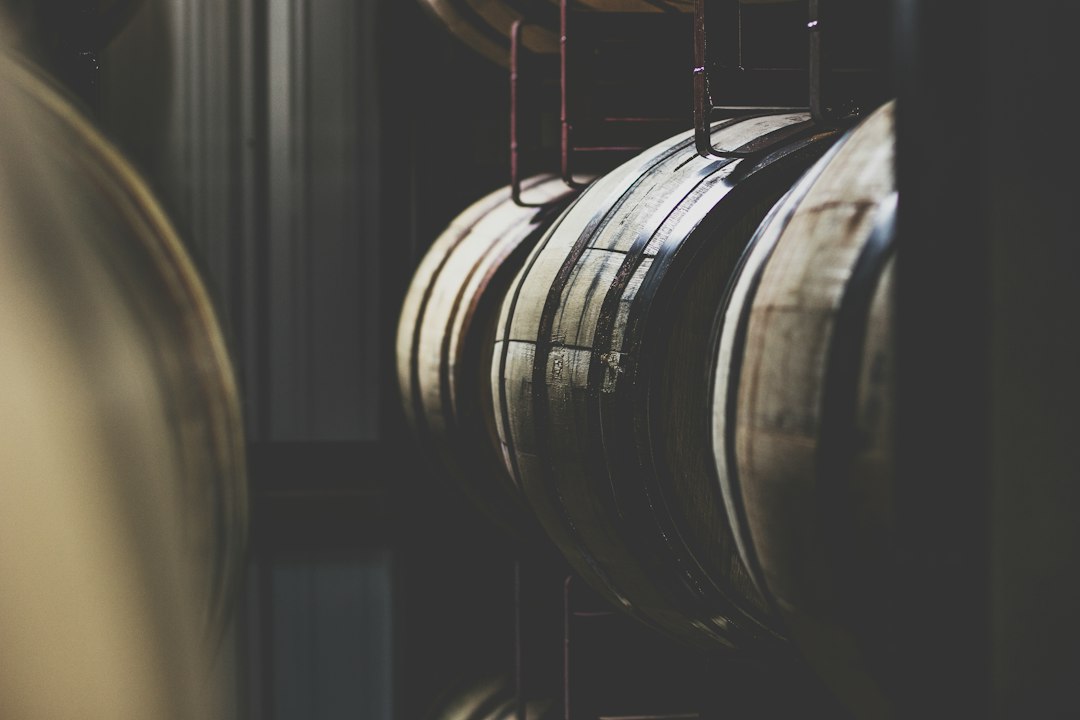
Nishibori Shuzo (西堀酒造), a sake brewery founded in 1872 in Oyama (小山), Tochigi Prefecture, will release the 2026 editions of its Tetsu (哲) whisky on November 20, 2026. Announced on October 26, the two bottles come from the brewery’s Nikko Kaido Oyama Distillery (日光街道 小山蒸溜所): a single malt called the Oyama Edition 2026 and a blended whisky called the Nikko Edition 2026, each limited to 1,000 bottles. Both are fermented with sake yeast and built around malt whisky finished in wine casks from the Bordeaux first growths. It is the second annual release from a distillery that is trying to answer a question few others ask out loud: what would Japanese whisky look like if a sake brewer designed it from first principles?
The Oyama Edition 2026 is a single malt bottled at 52% ABV in a 700ml bottle, with a suggested retail price of 19,250 yen including tax (roughly $122). According to the brewery, the core of the blend is malt whisky given extra maturation in several wine casks from the five Bordeaux first growths, the châteaux ranked at the top of the 1855 classification, layered with malt from bourbon casks and other stock. The release does not say which châteaux supplied the casks, how long the finishing lasted, or the age of the whisky.
The Nikko Edition 2026 is a blended Japanese whisky, also 52% ABV and 700ml, priced at 21,780 yen including tax (about $139). It combines the same sake-yeast malt with a grain whisky distilled from ginjo-ko (吟醸粉), the rice flour left over when sake rice is polished for premium brewing. After blending, the whisky is finished in wa-daru (和樽), Japanese-style casks made from cedar associated with Nikko Toshogu (日光東照宮), the UNESCO-listed shrine complex. Nishibori Shuzo says it uses the wood with the shrine’s formal permission, and that the timber comes from trees on the historic Nikko Cedar Avenue that had to be felled because they risked falling. Part of the proceeds will go to the avenue’s preservation through a local initiative called the Nikko Culture Project.
Sales run through three channels, all in Japan. Members of the brewery’s email list and official LINE account can preorder from the official online shop between 10:00 a.m. JST on November 1 and 11:59 p.m. on November 14, with shipping from November 20. Liquor retailers that carry the brand will stock it from the same date, and the brewery’s own shop in Oyama will begin counter sales on December 1.
Why this matters
Nikko Kaido Oyama Distillery opened in spring 2022 in a converted rice-polishing building on the brewery grounds, which are registered as a national tangible cultural property. The brewery describes it as Tochigi’s first whisky distillery, and the prefecture has since gained other projects, including a distillery from sake brewer Kobayashi Shuzo and Tobu Railway’s new Nikko distillery. What sets Oyama apart is not location but method. Tetsuya Nishibori (西堀哲也), the sixth-generation head brewer and a philosophy graduate of the University of Tokyo, built the distillery around ingredients a sake brewery already has: sake yeast, rice from the polishing room and groundwater from the Nikko mountains. The brand site explains the business logic plainly. The brewery makes sake in winter and spirits in summer, a seasonal split meant to keep a regional brewery viable.
Sake yeast is the most unusual choice. The brewery itself notes that it has long been considered poorly suited to whisky, which almost everywhere relies on distillers’ yeast strains bred for alcohol yield. Nishibori Shuzo ferments with sake yeast only and says it is chasing the fruity ginjo aromas that sake brewers prize. The rice grain is the other signature. Most Japanese grain whisky is made from corn or barley, as our guide to Japanese grain whisky explains, and a rice-based grain links Tetsu to a small group of makers using rice and koji, covered in our explainer on koji whisky in Japan. In July the distillery released Tetsu Refine, a single grain made from the same rice flour at 50% ABV.
The 2026 editions also show a young distillery learning in public. The first-year 2025 bottles were built on bourbon casks, and the brewery says both sold out. Moving to Bordeaux wine casks follows a path several Japanese craft distilleries have taken to add depth to young spirit; Sakurao’s Sauternes cask finish is a recent example, and our guide to Japanese whisky cask types explains what wine wood usually contributes. The distillery won the Innovator Award of the Year at the 2025 Tokyo Whisky & Spirits Competition, and a separate cedar-cask whisky made with Nikko Toshogu was formally presented to the Holy See in September 2025.
Related guides
What counts as Japanese whisky under the 2021 standard
Mizunara oak: why Japan’s rarest cask wood matters
For readers outside Japan
The announcement names only Japanese channels: the members-only online shop, domestic retailers and the brewery’s shop in Oyama. It says nothing about export, and with 1,000 bottles of each edition, international allocations are unlikely to be large if they happen at all. The Tetsu brand site has an English version, so watch it for any overseas news. Do not expect to join the online preorder from abroad. Many Japanese shops will not ship spirits internationally, and some countries, including the US, restrict personal imports. Our guide to importing whisky from Japan explains which routes actually work.
Both labels say “Japanese whisky,” and the release describes malt and grain spirit made at the distillery. That matters because the voluntary industry standard reserves the term for whisky distilled, aged and bottled in Japan; our explainer on the Japanese whisky definition covers what to check on a back label. If you are in Japan this winter, Oyama is about 45 minutes from Tokyo by Tohoku Shinkansen, and the brand site lists distillery and brewery tours. The brewery shop is the likeliest place to find a bottle after December 1.
If you want to taste the ideas behind Tetsu without a trip to Tochigi, look for exported Japanese whiskies built on similar themes. Our directory of Japanese whisky distilleries shows which craft producers export, and our list of Japanese whisky under $100 includes wine-cask and grain-forward bottles sold abroad. We will report in the news section if Nishibori Shuzo confirms overseas distribution.
Source: Nishibori Shuzo via PR TIMES (Japanese)