Umegae Shuzo (梅ケ枝酒造), a sake brewery founded in 1787 in Sasebo (佐世保), Nagasaki Prefecture, released its first Japanese whisky at its autumn open-brewery event on November 7 and 8, 2026. The single malt is simply called Nagasaki (長崎). It spent three years in wood, enough to meet Japan’s industry definition of Japanese whisky, and the brewery says it is the first malt-only whisky aged three years or more to come out of Nagasaki Prefecture. That claim comes from Umegae itself, as reported by the Nagasaki Shimbun. For anyone tracking Japan’s craft boom, it adds a new name to the map of Kyushu (九州) whisky.
The Nagasaki Shimbun reported the release on November 7. Barrel365, a Japanese whisky news site, followed up on November 13 with more on the brewery’s background. Both reports describe the same cask program and the same prices.
Bourbon barrels first, then four kinds of finishing cask
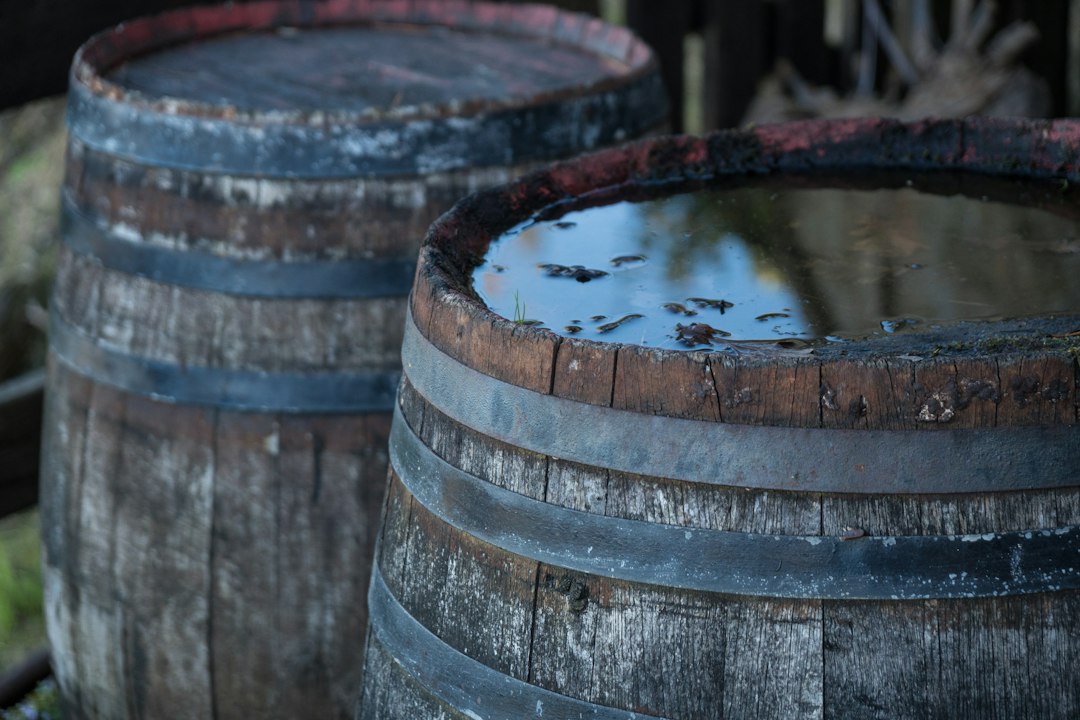
The new make was laid down in two stages. It first spent about two and a half years in ex-bourbon barrels. The brewery then split it across four different cask types, including casks that had held red wine and white wine, for roughly six more months. After that, the casks were blended into a single batch. The run came to about 2,000 bottles.
Three formats are on sale. A 700ml bottle with a gift box costs ¥8,580 including tax. The same bottle without the box is ¥7,700, and a 200ml bottle is ¥2,970. Neither report gives the bottling strength. We have not been able to confirm the ABV, so we have left it out rather than guess.
President Tetsuya Nagano (長野哲也), 53, told the Nagasaki Shimbun that the whisky has a complex, deep character and a calm aroma, and suggested it as a gift. That is the brewery’s own description. We have not tasted Nagasaki.
The whisky project started on a sake brewer’s schedule. Umegae began making gin in 2019 as part of a push to diversify. It received a whisky production license in January 2023 and started distilling that May. In mid-2023, Barrel365 reported on the setup, citing the Nagasaki Shimbun. The brewery installed a German-made still, built a maturation warehouse, and dug a well for cooling water. The plan was to reduce the spirit to 60% ABV and fill it into 200-liter bourbon barrels. Whisky work happens each year after the sake season ends. The project is run by the Nagano brothers: Tetsuya runs the company, and his younger brother, the brewery’s toji (杜氏, master brewer), had been working toward a whisky for about eight years. In 2023, the toji said he wanted to build on orthodox Scotch methods while giving the whisky its own personality.
The brewery has not said how much of its first season’s spirit went into this release. It also has not said whether more single malt from the same stock will follow.
Why this matters
Nagasaki is a clear example of the wave now reaching the market. Many small Japanese distilleries started production in 2022 and 2023, often at sake and shochu breweries. Their own malt has to sit for three years before it can carry the “Japanese whisky” name under the industry standard. That standard requires mashing, distilling, and aging in Japan, in wooden casks of 700 liters or less, for at least three years. We explain how the rule works in our guide to what counts as Japanese whisky. Distilleries that started in 2023 are now crossing that line one after another. Recent examples include Kobe Distillery’s first single malt and Takazo’s debut release.
The cask plan also tells us something. Umegae did not wait for the bourbon barrels alone to reach three years. It moved the spirit into wine and other casks for the last six months, so a lot of the flavor-building happened at the very end. Early releases from new Japanese distilleries often work this way. A short finish in an active cask adds depth that a three-year-old bourbon-barrel malt may not have yet. Our guide to Japanese whisky cask types covers what each kind of wood usually contributes.
The release also follows a familiar pattern: an old sake house becoming a whisky maker. It mirrors the path of Kiuchi Shuzo, whose Isonohama distillery grew out of a closed sake brewery, and of other sake makers on our list of Japanese whisky distilleries. For these breweries, whisky is a way to keep stills and staff busy outside the sake season. It also builds a product that ages into value instead of being sold fresh.
For readers outside Japan
Umegae has announced no export plans, and we found no overseas importer or retailer for Nagasaki. With about 2,000 bottles and a launch tied to an open-brewery event, expect this to be a domestic release for now. If you find it listed abroad, it was almost certainly bought in Japan and resold, and the price will reflect that. Our guide to bringing Japanese whisky home from Japan explains the realistic options.
If you are traveling, Sasebo is easy to combine with a visit to Huis Ten Bosch. During the open-brewery days, the brewery ran a free shuttle bus from JR Huis Ten Bosch Station. Check with the brewery before you go, because sales outside event days have not been announced. Kyushu already has several distilleries that are easier to plan around. These include Kirishima Yokogawa, which just released its own Ryoma single malt, as well as Mars Tsunuki and Kuju. For Kyushu whisky you can buy at home, start with Hombo Shuzo’s Mars range, which runs Tsunuki and has a long export record. Then treat Nagasaki as the one to look for when you are in the region.
Source: Nagasaki Shimbun via Yahoo! News (Japanese); Barrel365 (Japanese); Barrel365, July 2023 (Japanese)