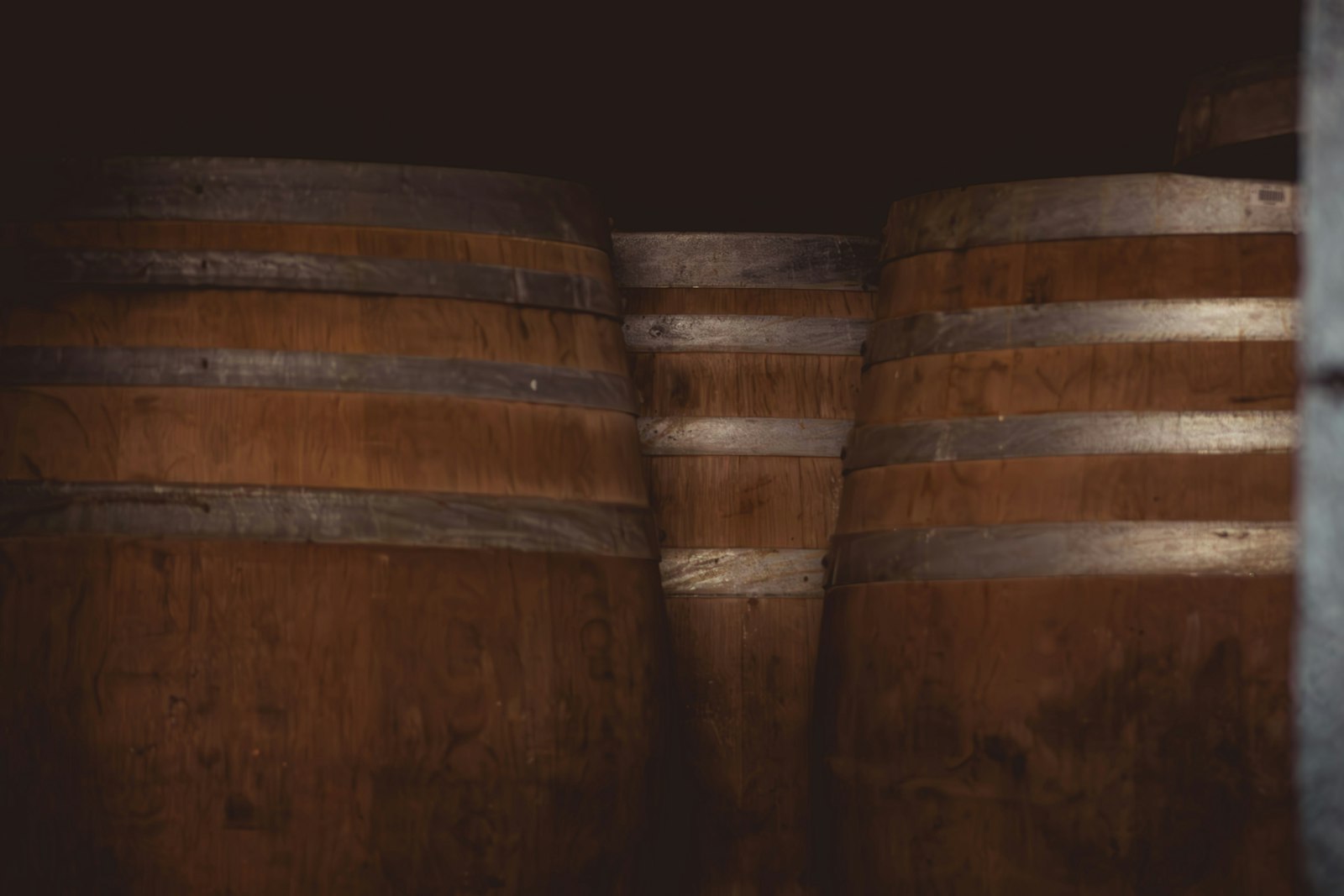
Nagahama (長浜), often described as the smallest whisky distillery in Japan, will release the ninth edition of its experimental single malt series, Single Malt Nagahama The Ninth Batch, on September 15, 2026. The bottling is limited to 5,700 bottles at 50% ABV in 500ml format, priced at 11,000 yen before tax.
The Batch series is built entirely from whisky distilled at Nagahama, with each release combining a different set of casks. For The Ninth Batch, the distillery says the core is spirit matured in wine casks, layered with sherry-cask whisky for weight, a portion of peated Nagahama spirit aged in ex-Islay quarter casks for smoke, and a finishing period in Japanese cherry-wood (sakura) casks. Nagahama has given the release the theme “purple haze” and calls it its most complex vatting so far.
The distillery’s own product list shows how quickly the series has grown. The Fifth Batch, released in January 2025, ran to 3,000 bottles at 10,000 yen. The Sixth (July 2025), Seventh (November 2025) and Eighth (March 31, 2026) each ran to 4,000 bottles at 11,000 yen. At 5,700 bottles, The Ninth Batch is the largest edition yet, about 40% bigger than the Eighth, while the price is unchanged. The label photograph is by Shinya Tsujita (辻田新也), a Nagahama-based photographer who has made Lake Biwa his life’s work and published the photo book UNKNOWN LAKE in 2025.
Nagahama’s published tasting notes, summarized here rather than offered as our own assessment, describe a reddish amber color, berry and raisin from the wine casks meeting Islay-cask peat on the nose, dried fruit from the sherry wood, and a Japanese accent from the sakura cask that the distillery calls “Japanese psychedelic.” On the palate it promises dense fruit sweetness and heavy malt, with smoke building toward a long finish. We have not tasted this release.
Nagahama occupies a converted craft-beer brewpub on the shore of Lake Biwa in Shiga Prefecture. Nagahama Roman Beer, the parent company, began brewing in 1996 and made beer on the site for two decades before installing small alembic-style pot stills and starting whisky distillation in 2016. Its main brand, Amahagan — “Nagahama” spelled backwards — blends imported malt with Nagahama’s own spirit; in 2020 three of the four core Amahagan bottlings won at the World Whisky Awards. The Batch series is the all-Nagahama counterpart to that range, used to test unusual cask combinations; the eighth edition, for instance, used amburana wood more often seen in Brazilian cachaca. Our Nagahama distillery guide covers the site’s history in more detail, and our explainer on what counts as Japanese whisky sets out the labelling rules a single malt like this has to meet.
There is one detail international readers should note. Most of Nagahama’s small single-cask bottlings, typically 200 to 400 bottles at cask strength, are listed on the official site for sale in Japan only. Every numbered Batch release from the Fifth onward, including this one, is listed for sale in “Japan/overseas.” The distillery does not name export markets or quantities, so that is not a promise of a UK or US allocation, but it means The Ninth Batch is intended to travel.
Why this matters
Nagahama is a clear case study in how a very small Japanese distillery pays its way while its own stock matures. When it began distilling in 2016, it had no aged whisky to sell. Amahagan carried the business, and because it contains imported malt it is sold as a world malt rather than as Japanese whisky. Our explainer on what “world blended” means on a Japanese label covers that distinction. The Batch series is the other half of the strategy: every drop is distilled on the Lake Biwa site, and the distillery states that all its single malts meet the industry’s labelling standard for Japanese whisky.
Growth from 3,000 to 5,700 bottles in under two years is the clearest public signal that Nagahama’s own reserves are deepening. Distilleries founded in the late 2010s are now reaching the point where their stock can support regular, sizeable releases, the supply-side change described in our explainer on the Japanese whisky shortage.
The cask recipe also says something about the house style. Nagahama describes its stills as alembic-type pots with very thin lyne arms, inspired by Scottish craft distilleries, and says its aim is to make whisky that drinkers in Japan and abroad will still enjoy 100 years from now. Rather than chase one signature cask, it uses the Batch series to layer wine, sherry, peated Islay quarter casks and Japanese cherry wood, a method closer to blending than to single-cask bottling. Japanese commentators note that most sakura-cask releases so far have been unpeated, which makes the peated pairing here unusual. Native timber, whether sakura or Japan’s mizunara oak, has become a common way for small distilleries to build a recognizable character, and our guide to Japanese whisky cask types explains what each of these woods typically contributes.
For readers outside Japan
Start with the realistic route. Because the Batch series is listed for overseas sale, specialist retailers that already carry Nagahama are the first place to look over the coming months; our guides to buying Japanese whisky in the UK and in the US list the shops most likely to receive an allocation. Expect small quantities and a shelf price well above the Japanese retail price once shipping, duty and importer margins are added. No overseas price has been announced.
If The Ninth Batch does not reach your market, earlier Batch editions do surface at auction. Our Japanese whisky auction guide explains how to check provenance and buyer fees before bidding on a 500ml bottle that retailed for 11,000 yen at home. For a taste of the distillery without the chase, Amahagan World Malt is the more widely distributed range abroad. Keep in mind that it blends imported malt with Nagahama spirit, so it shows the blending style rather than the distillery’s own spirit alone.
Travelers can go to the source. The distillery is about four minutes’ walk from JR Nagahama Station. Its standard tour lasts around 30 minutes for up to six people and includes a tasting of single malts poured only on the tour. The longer AZAI Factory Tour, about three hours for up to five people, adds a trip to a school building now used as a maturation warehouse, with four samples. Both require reservations through the official site, where slots are released month by month. The brewery’s restaurant, set in a converted Edo-period rice storehouse, serves its beer on site. Nagahama also works with partners across Japan, as its Snow Peak campfire whisky collaboration and the Cask and Forest native-wood cask project show.
Sources: Japanese Whisky Dictionary (jpwhisky.net) (Japanese); Nagahama Roman Beer, single malt product list (Japanese); Nagahama Roman Beer, tours (Japanese)