Sapporo Shusei Kogyo (札幌酒精工業), a spirits maker in Sapporo, released the first whisky to carry Hokkaido’s “Gold Quibis” (ゴールドキビス) corn whisky name on September 16, 2026. The bottling, sold as Sapporo Corn Whisky Kai (サッポロコーンウイスキー加伊), uses spirit that has spent three years in cask, the minimum the regional standard requires, and was limited to 640 bottles. Two days later, the research body behind the standard put Gold Quibis in front of the public for the first time at an open forum in Sapporo.
Kai is the first product to come out of the Hokkaido Corn Whisky Project (道産コーンウイスキープロジェクト), which the public research body Hokkaido Research Organization (HRO, 道総研) launched in fiscal 2021. The project’s current membership is nine Hokkaido companies and organizations spanning raw materials, production and distribution: Nakashibetsu Craft Malting Japan, JA Minenobu, JA Sorachi Minami, N-GRITS (Ebetsu Seifun), Sapporo Shusei, MAOI, the Niseko Distillery, Kokubu Hokkaido and Hokkaido Shurui Hanbai. Sapporo Shusei, a shochu and spirits producer founded in 1933, is the distiller that has taken the first bottling to market. Hokkaido grows more corn than any other Japanese prefecture, and HRO describes the goal plainly: a Hokkaido whisky the island can be proud to show the world.
What the Gold Quibis rules require
To carry the Gold Quibis name, a whisky has to clear rules that go well beyond Japan’s national labeling standard (see our guide to how Japanese whisky is defined). HRO’s published requirements are short and specific:
- Hokkaido-grown corn must be the main raw material, and the water must be drawn in Hokkaido.
- Malt must always be used alongside the corn.
- Mashing, fermentation and distillation must all take place at a distillery in Hokkaido.
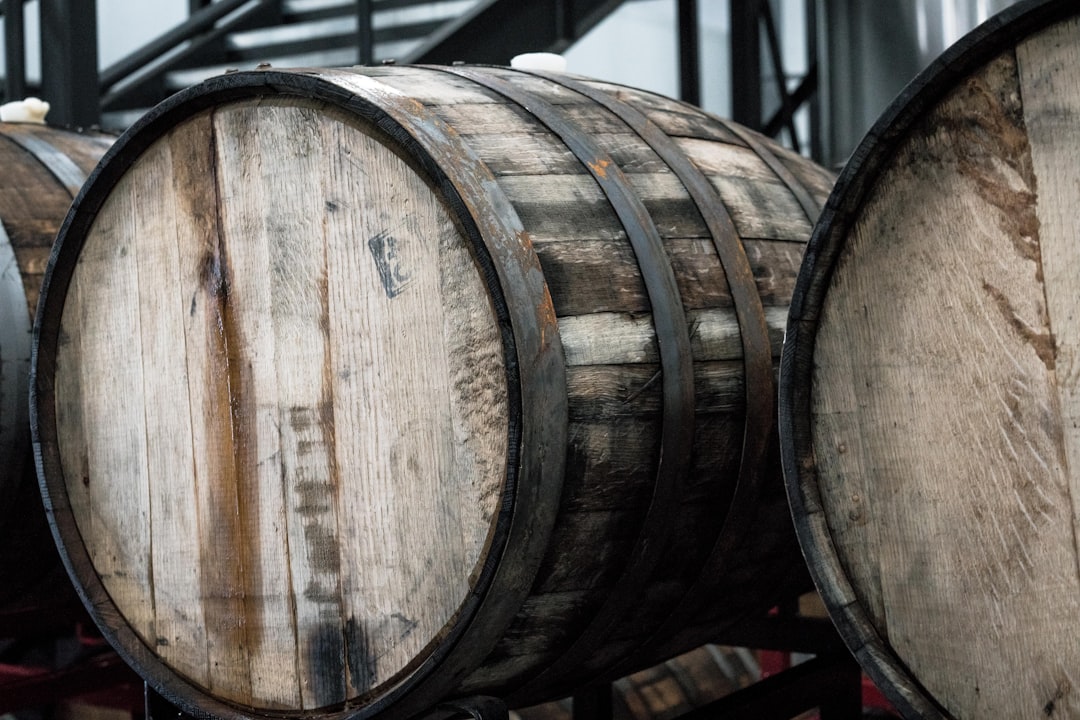
- The spirit must be filled into wooden casks and stored in Hokkaido for at least three years.
- It must be bottled in Hokkaido at 40% ABV or higher.
The name itself came from a public call in November 2022 that drew 2,274 entries. “Quibis” is a respelling of tōkibi, the Hokkaido dialect word for corn, written in the Latin alphabet so it reads easily abroad; “Gold” casts the whisky as a treasure built from local effort and natural resources. HRO registered the name as a trademark in July 2023 (registration No. 6720442) and licenses its use, which is what gives the rules teeth: a producer that does not meet them cannot use the name.
The project has also worked on the cask side. HRO’s Forest Products Research Institute has been developing storage casks made from Hokkaido timber, and its Food Processing Research Center built and evaluated the production process “from the lab to the distillery,” according to the program for the September 18, 2026 forum. That forum, held at the Sapporo Tokyu REI Hotel, closed with a tasting of Gold Quibis and a panel that included Iwasaki (岩崎弘芳) of Sapporo Shusei alongside grain suppliers from Nakashibetsu and Ebetsu.
Sapporo Shusei and HRO have not published an English-language spec sheet, and we could not confirm the bottle’s retail price or exact strength from the sources available to us. Under the rules above, it cannot be below 40% ABV. We have not tasted Kai and make no claims about its flavor.
Why this matters
Kai is a small bottling, but the framework behind it is new for Japan. The industry’s 2021 labeling standard defines “Japanese whisky” at the national level: it requires mashing, fermentation and distillation in Japan, at least three years of aging in Japan and bottling in Japan, but it says nothing about where the grain is grown and sets no regional rules. Gold Quibis adds exactly what the national standard leaves out. It ties the grain, the water, the warehouse and the bottling line to one island, and it does so through a trademark held by a public research body rather than through government regulation.
That makes it closer to a European-style regional appellation than anything else in Japanese whisky, and it sits at the opposite end of the country’s labeling debate from Kyushu producers making koji-based spirits that avoid the whisky label altogether. Where those producers step around the definition, Gold Quibis tightens it. It also points at a gap in the category. Most of Japan’s whisky story has been told through malt, and the large grain whisky volumes that go into blends rarely say anything about where their grain came from (our explainer on Japanese grain whisky covers how that side of the industry works). A corn whisky built around local grain is a deliberate move into territory the big blenders have not claimed, similar in spirit to the push for whisky made from Japanese-grown barley.
The economics are the real driver. HRO started the project because corn is a major Hokkaido crop with room for new markets, and a whisky that can only be made from Hokkaido corn turns a commodity into an ingredient with a name attached. If the model works, other prefectures could copy it with their own grains and their own trademarked rules, building the kind of regional identities that Scotland and Kentucky took centuries to develop. Hokkaido already has a cluster of malt distilleries to anchor that identity, from Yoichi and Akkeshi to Rishiri, plus a new US-owned distillery under construction in the island’s interior. The open question is volume: 640 bottles proves the rules can be met, not that the supply chain can scale.
For readers outside Japan
Kai is not a bottle most readers outside Japan will be able to buy. Sapporo Shusei has not announced export plans, and with 640 bottles released in September 2026, the run is unlikely to reach overseas shelves. Treat any listing abroad with caution; our guide to spotting fake Japanese whisky explains what to look for on a back label.
If you are traveling to Hokkaido, the best approach is to ask at specialist liquor shops in Sapporo, and to keep in mind that future Gold Quibis releases from other project members are more likely than a restock of this one. The Niseko Distillery, also a project member, sits in the Niseko resort area; check its current visiting rules in our guide before you go.
For a taste of the broader style at home, you will be drinking Japanese grain whisky rather than Hokkaido corn whisky. Single grain bottlings such as Suntory’s Chita are among the easiest to find abroad (see our Chita distillery guide), and our list of Japanese whisky under $50 covers bottles you can actually find in the US and UK. We will report the next Gold Quibis release as soon as a producer announces one.
Sources
Source: Hokkaido Shimbun, September 8, 2026 (Japanese)
Source: Hokkaido Research Organization, Hokkaido Corn Whisky Project and Gold Quibis requirements (Japanese)
Source: Hokkaido Research Organization, open forum press release, August 24, 2026 (Japanese)
Source: Hokkaido Research Organization, Gold Quibis naming announcement, February 28, 2023 (Japanese)